Books and characters.
Explore the books and characters inside of them. Experience them drawn and animated the way they appear in Dr. Seuss: Learn & Play. A true adaptation of the incredible imagination of Dr. Seuss.
The 39 Dr. Seuss classics in this guide.
- The Cat in the Hat
- The Cat in the Hat Comes Back
- How the Grinch Stole Christmas!
- Fox in Socks
- One Fish Two Fish Red Fish Blue Fish
- The Lorax
- Green Eggs and Ham
- Hop on Pop
- Horton Hears a Who!
- Horton Hatches the Egg
- The Sneetches and Other Stories
- Dr. Seuss's ABC
- If I Ran the Circus
- Mr. Brown Can Moo! Can You?
- Happy Birthday to You!
- Oh, the Places You'll Go!
- What Pet Should I Get?
- The Bippolo Seed and Other Lost Stories
- Bartholomew and the Oobleck
- Did I Ever Tell You How Lucky You Are?
- Dr. Seuss's Sleep Book
- Hunches in Bunches
- I Can Draw It Myself, By Me, Myself
- I Can Lick 30 Tigers Today! and Other Stories
- I Can Read With My Eyes Shut!
- I Had Trouble in Getting to Solla Sollew
- Marvin K. Mooney Will You Please Go Now!
- Oh, Say Can You Say?
- Oh, the Thinks You Can Think!
- The 500 Hats of Bartholomew Cubbins
- The Butter Battle Book
- The Cat in the Hat Songbook
- The Foot Book
- The King's Stilts
- The Shape of Me and Other Stuff
- There's a Wocket in My Pocket!
- Thidwick the Big-Hearted Moose
- Yertle the Turtle and Other Stories
- You're Only Old Once!
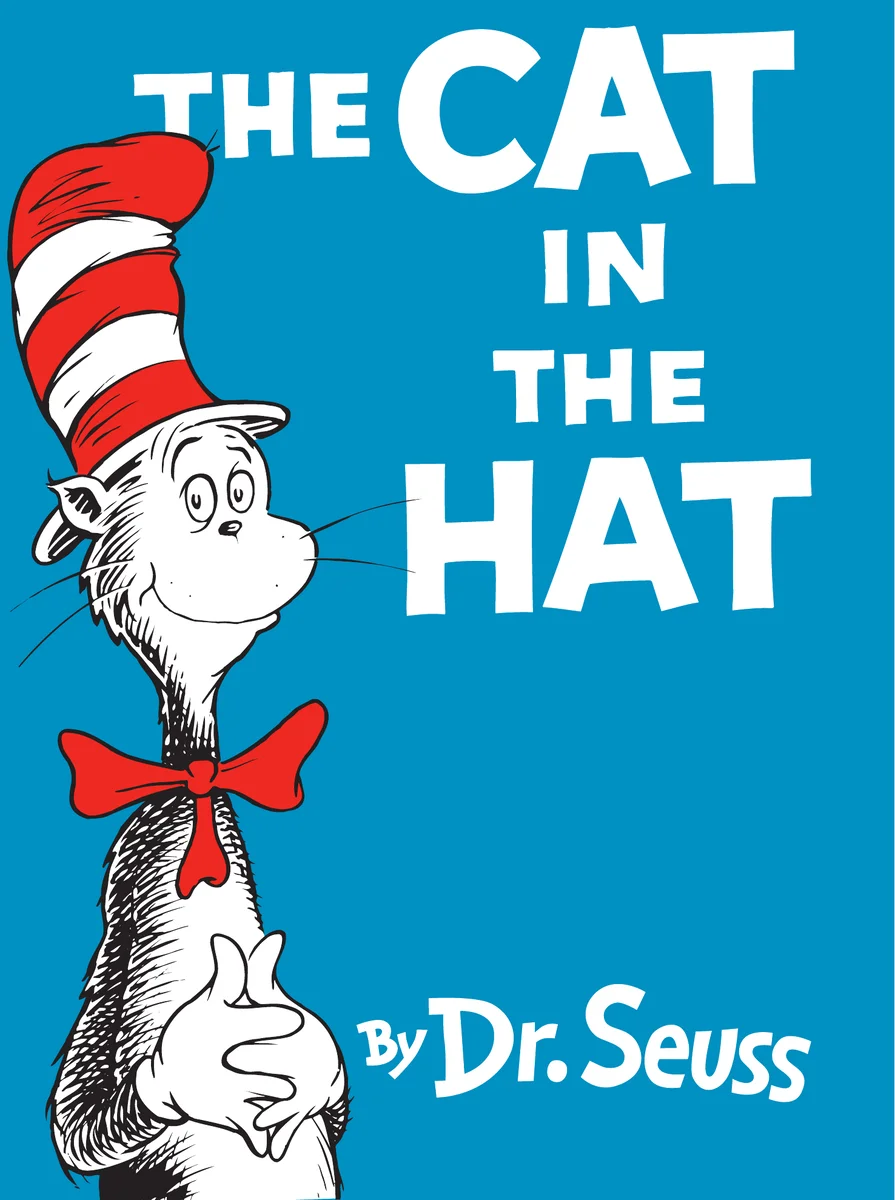
The Cat in the Hat
Rainy day? The Cat has a few ideas.
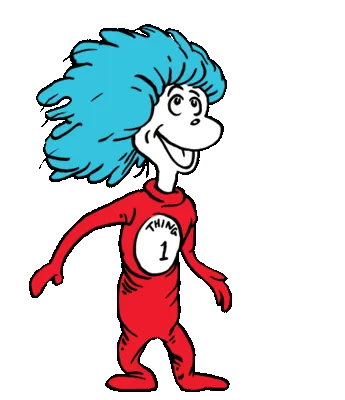
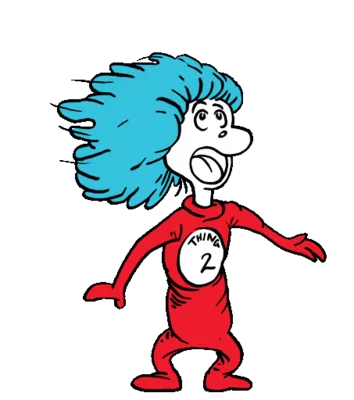
It's raining, Mom's out, and a very tall cat lets himself in. Cue Thing One, Thing Two, and a house turned upside down. Built from just 236 different words, this is the book that shows kids they can read a whole story by themselves. Confidence, delivered in rhyme.
- The Cat in the Hat1957Rainy day? The Cat has a few ideas.
- The Cat in the Hat Comes Back1958One pink spot. 26 tiny cats. Total chaos.
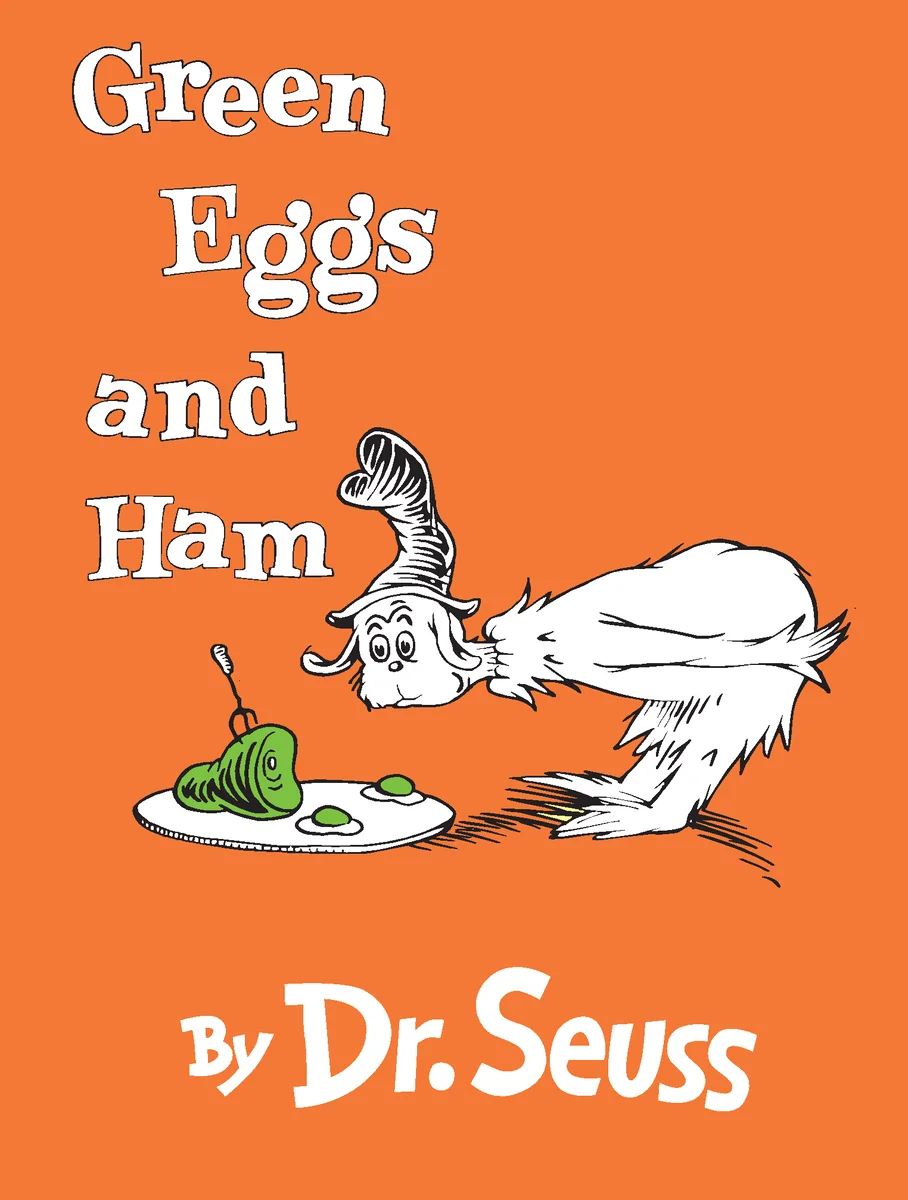
Green Eggs and Ham
Sam-I-Am never takes no for an answer.
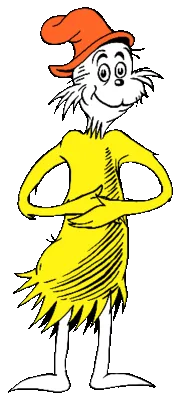
Dr. Seuss wrote this one on a bet. 50 words, no more. The result is Sam-I-Am, a boat, a goat, and the most stubborn breakfast negotiation ever put to paper. Early readers ride that repetition all the way to confidence, and learn new things are worth a taste.
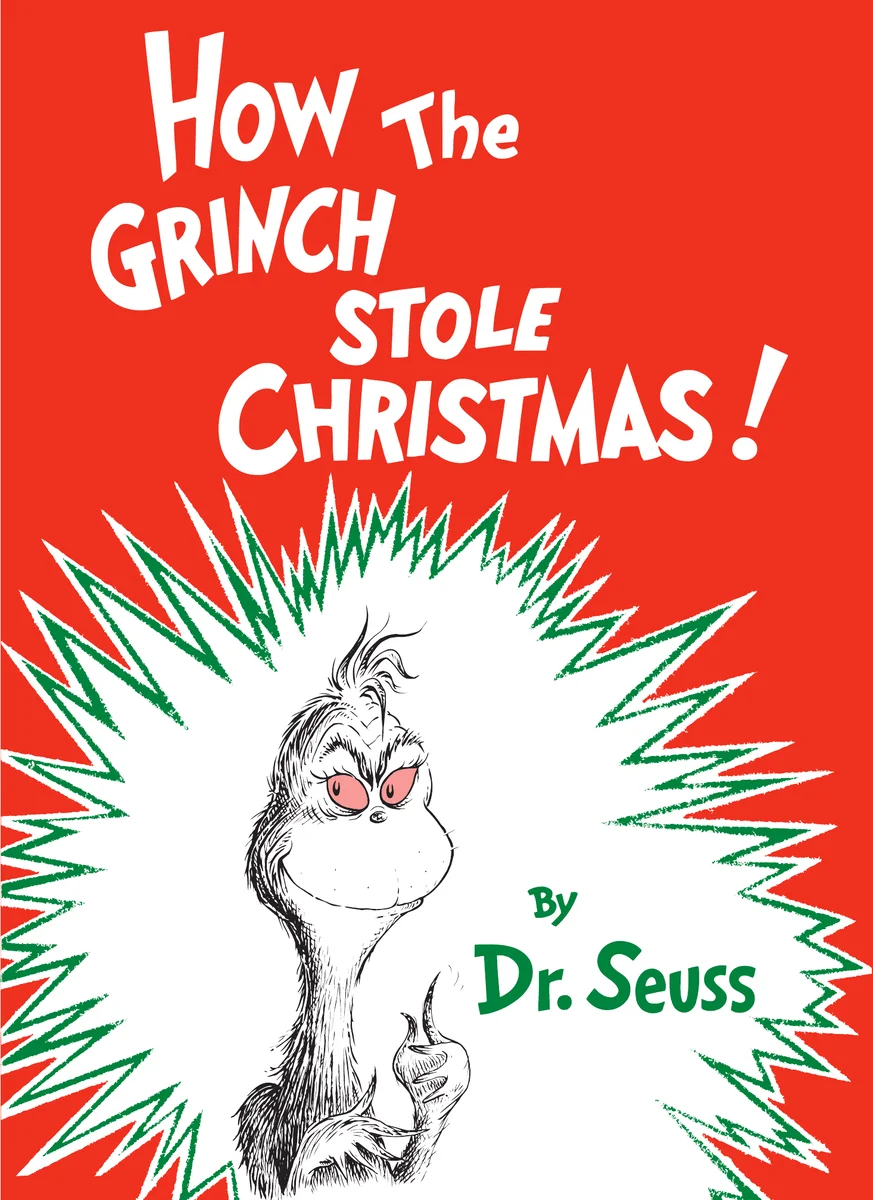
How the Grinch Stole Christmas!
Watch a heart grow three sizes.
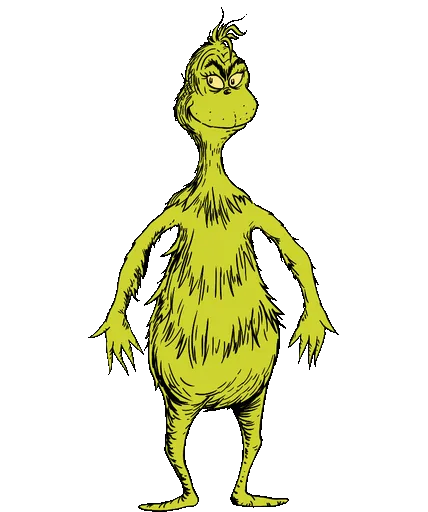
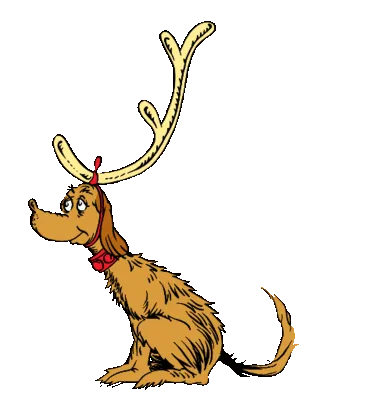
Up in his cave, the Grinch plots to swipe Christmas from Who-ville, poor Max hauling the sleigh. Then Cindy-Lou Who asks one small question, and everything softens. Galloping read-along rhymes, and a lesson in kindness with no lecture in sight.
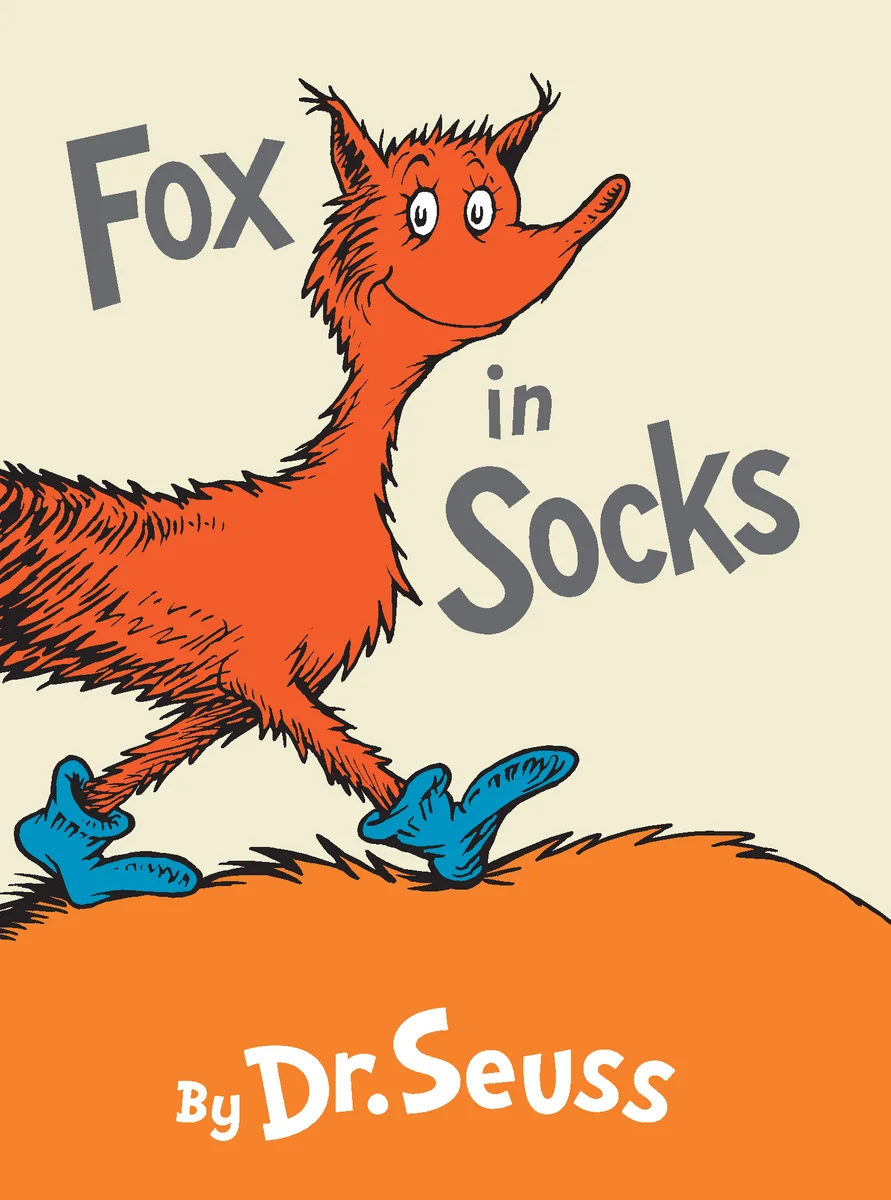
Fox in Socks
The book that ties grown-up tongues in knots.
Fox wants Knox to try just one more tongue twister. Knox has doubts. So will you, somewhere around the tweetle beetles. Every trip and stumble is phonics in disguise. Kids hear how sounds snap together, then beg to race you through it again. Fair warning, they usually win.
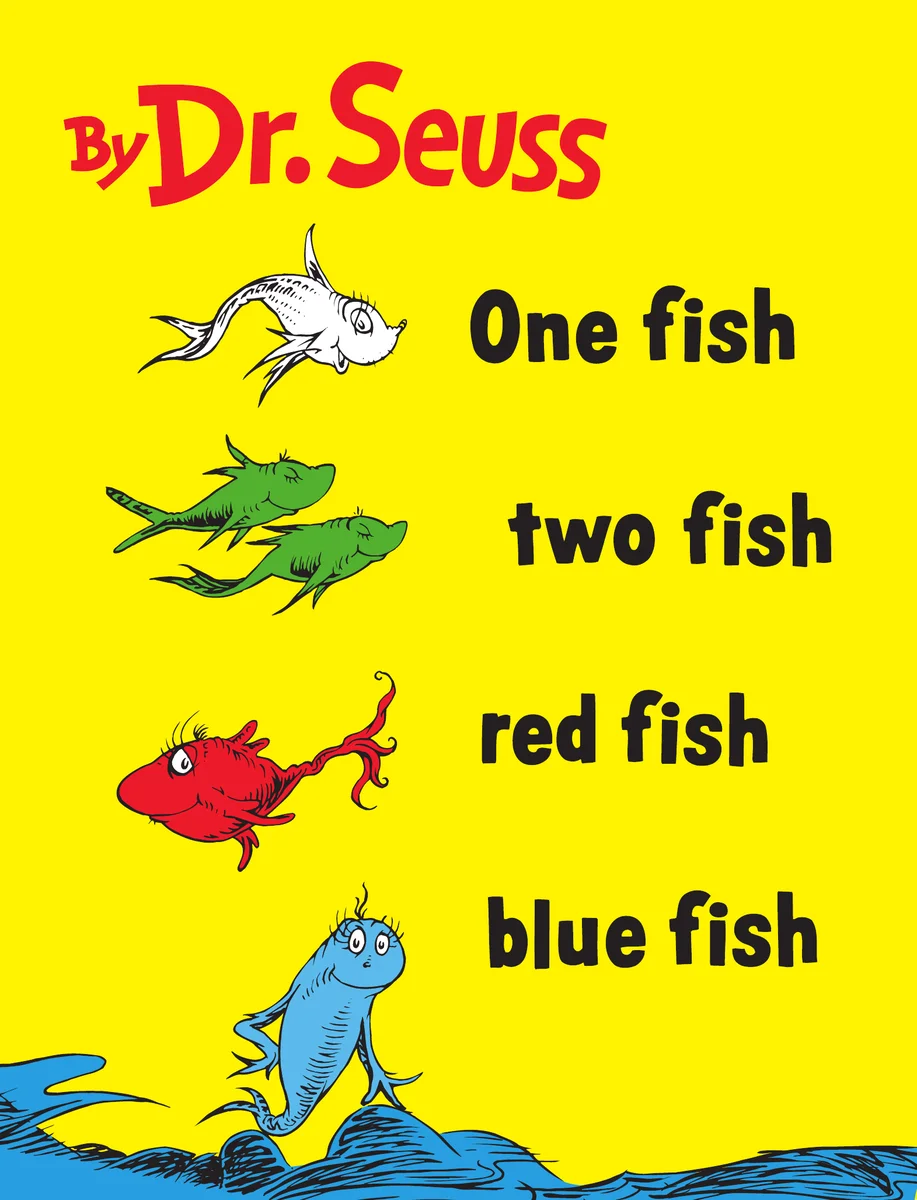
One Fish Two Fish Red Fish Blue Fish
One fish, two fish, one proud new reader.
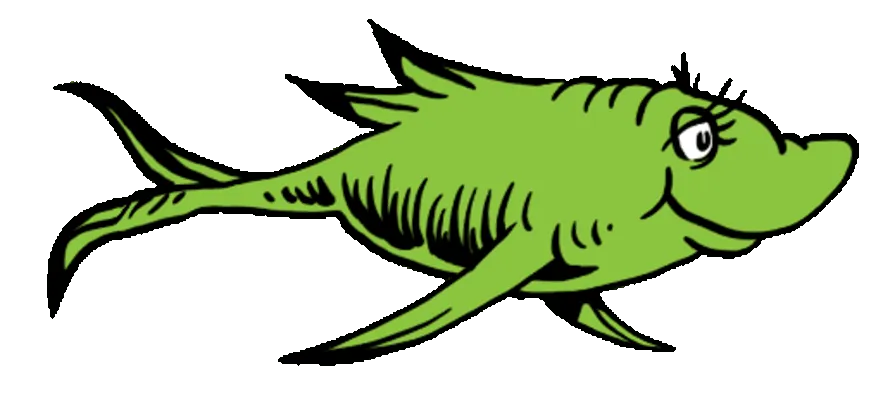
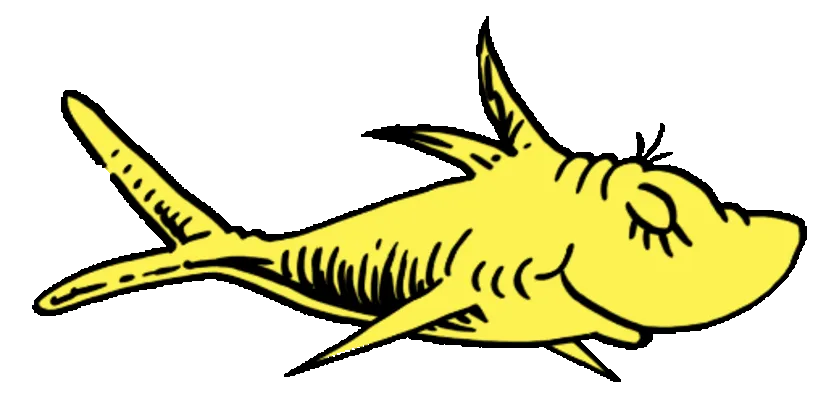
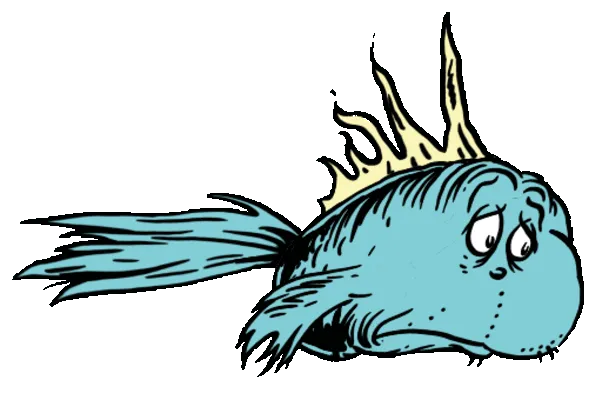
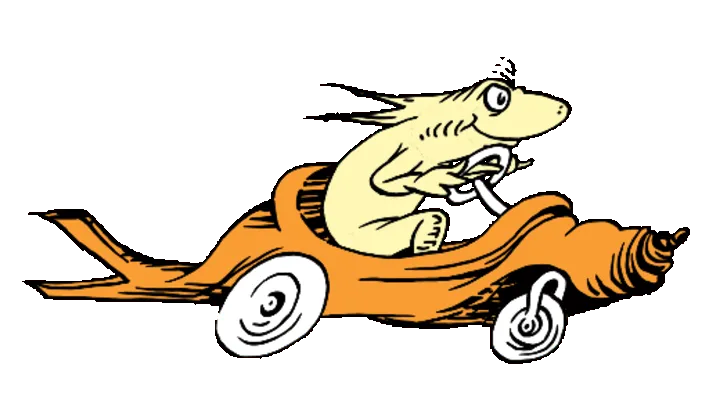
Red fish, blue fish, glad fish, sad fish, and one fish driving a very little car. Since 1960 this one has turned counting, colors, and opposites into pure silliness. The rhymes are so bouncy your kid will read along before they realize that's what they're doing.
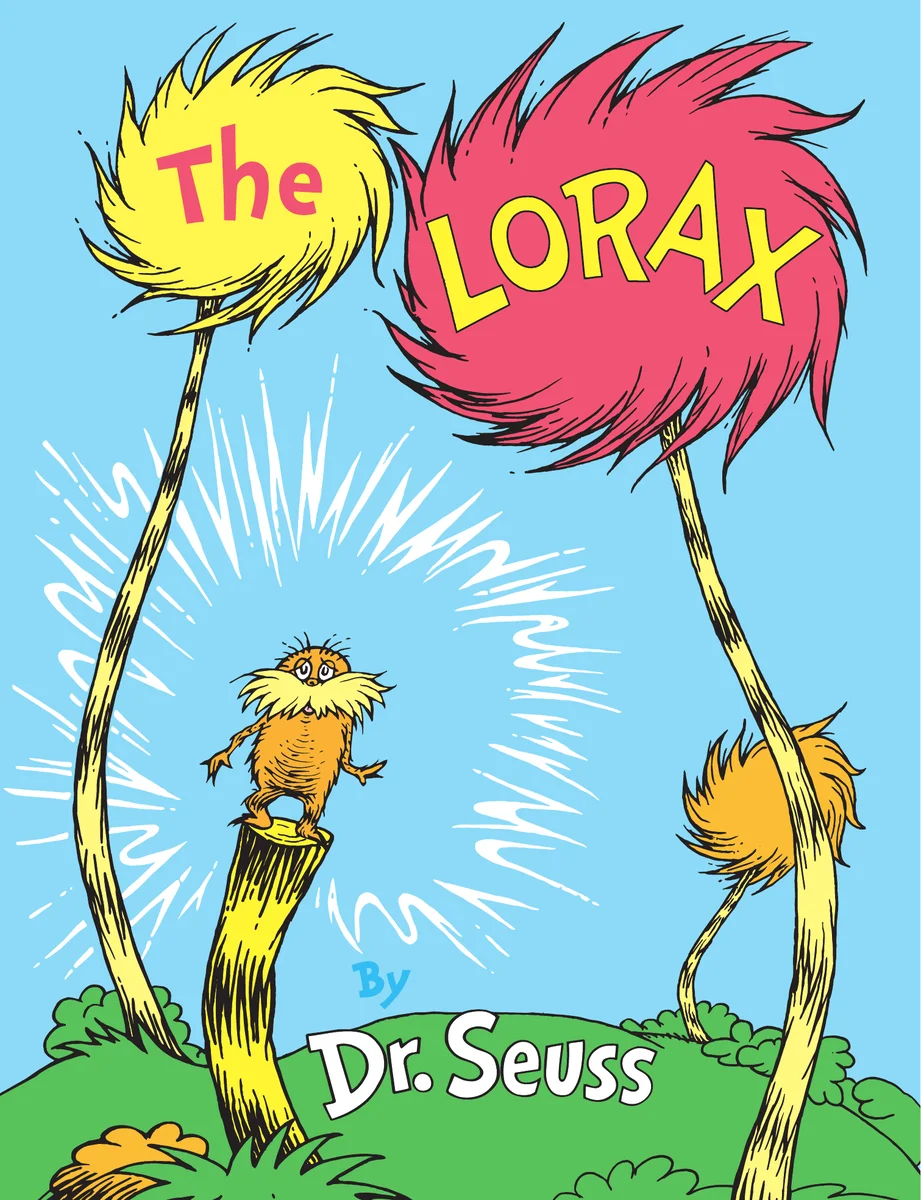
The Lorax
He speaks for the trees. Your kid will too.
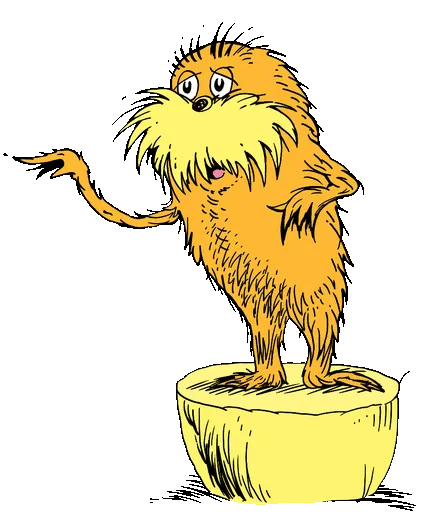
A tiny orange grump with a mighty mustache stands up to the Once-ler, one Truffula Tree at a time. Kids bounce along with the rhymes and soak up the good stuff. Kindness, courage, and proof that small voices count. Fair warning, dinner may include strong opinions about trees.
From Green Eggs to Star-Belly Sneetches.
Published 1938.
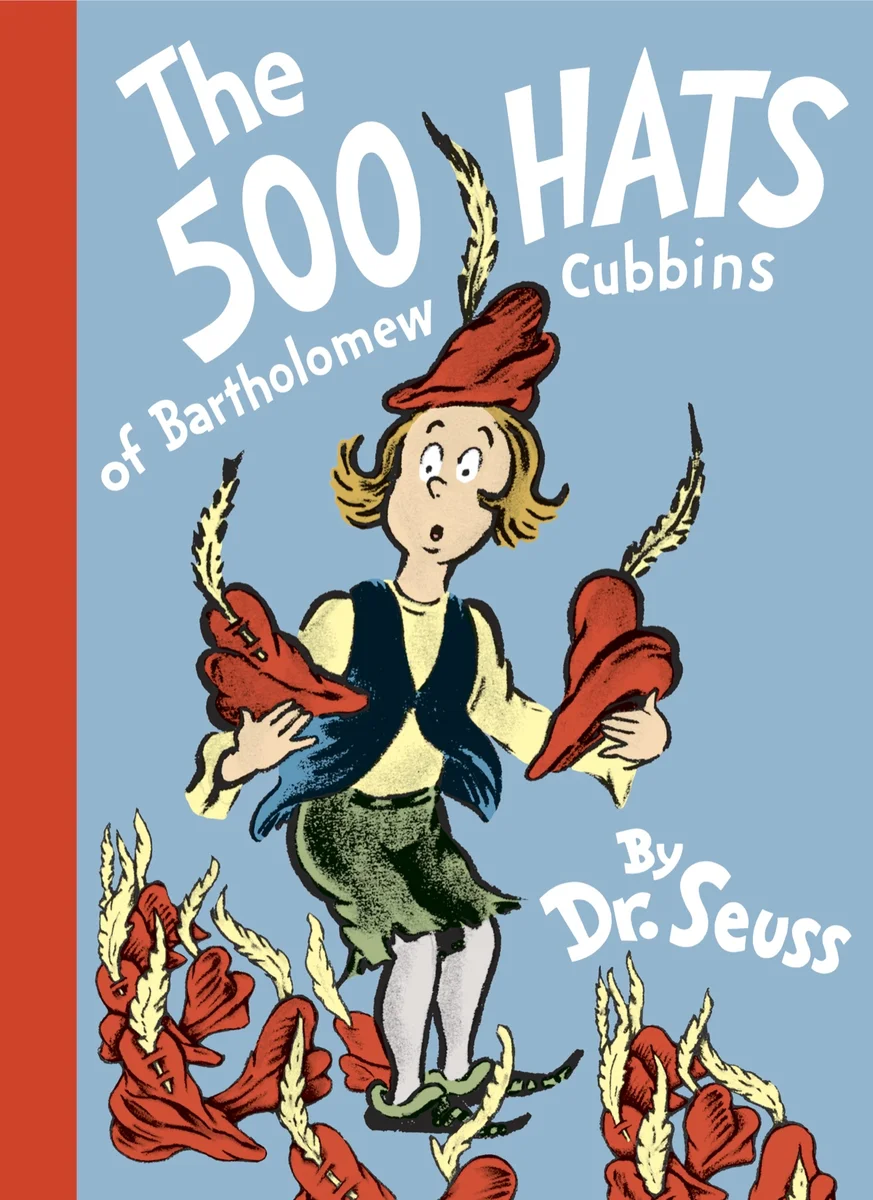
The 500 Hats of Bartholomew Cubbins
One boy, one king, and 500 hats.
Bartholomew Cubbins tips his hat to the king, and a new one pops up in its place. Then another. And another, 500 in all, each grander than the last. Dr. Seuss's 1938 tale about a boy who keeps his cool (while nearly losing his head) begs to be read out loud.
Published 1939.
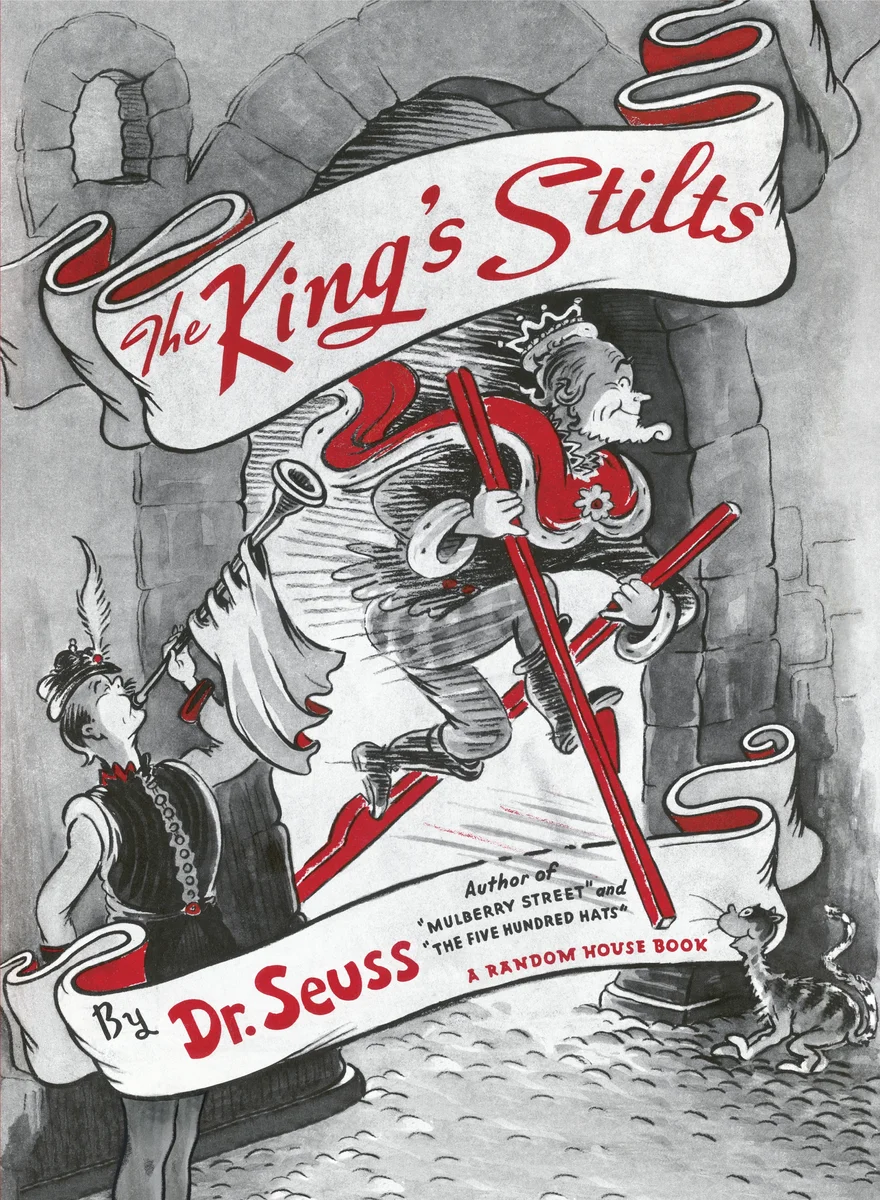
The King's Stilts
Even kings need recess.
King Birtram runs his kingdom all day and races around on red stilts at night. Then a sour old lord hides them, and everything wobbles. Seuss's 1939 tale is about balance. Do your work, keep your joy. Your kids will root for the pageboy who puts things right.
Published 1940.
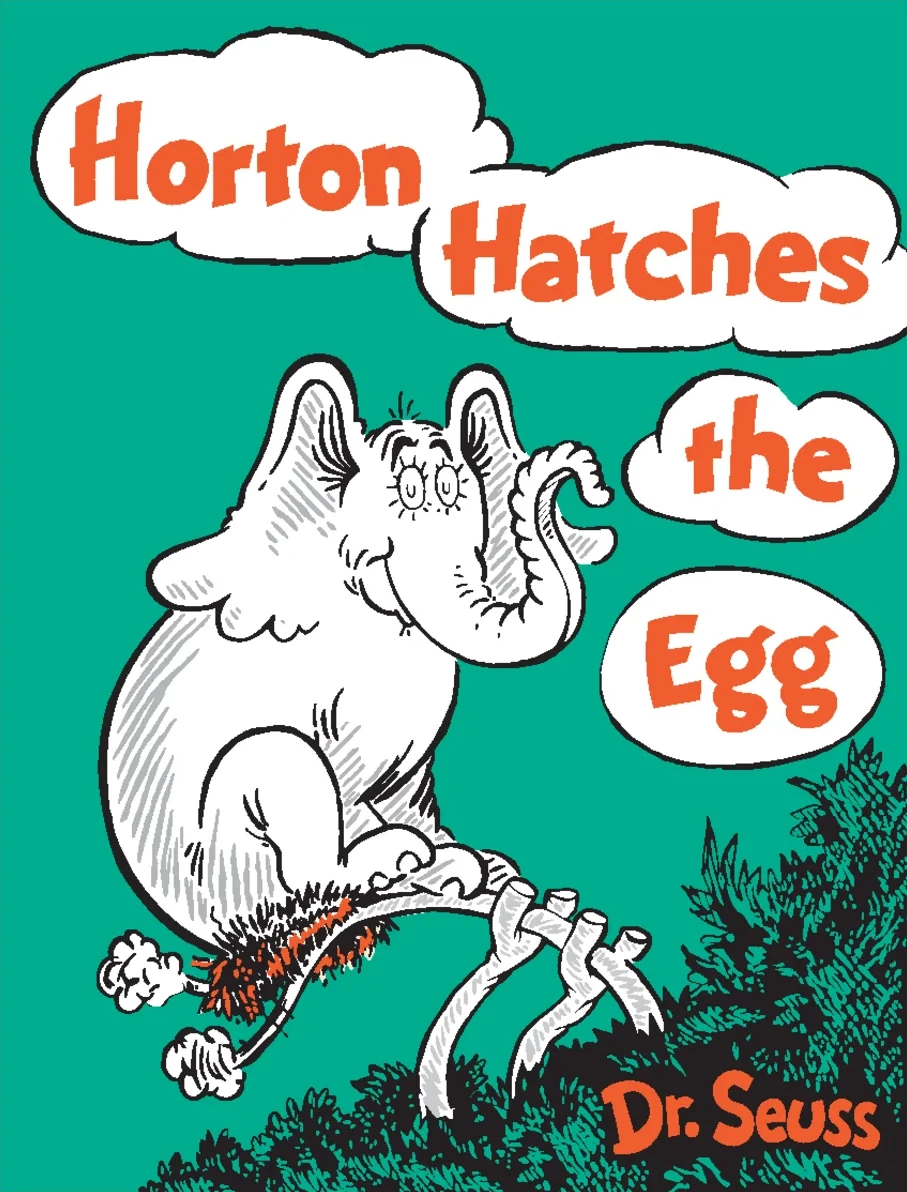
Horton Hatches the Egg
One egg, one elephant, one very big promise.
Lazy Mayzie wants a vacation, so Horton the elephant agrees to sit on her egg. He keeps sitting, through rain, snow, and a whole circus of trouble, because he gave his word. Kids soak up the galloping rhymes and a bigger idea. Promises matter. The surprise ending lands every single time.
Published 1948.
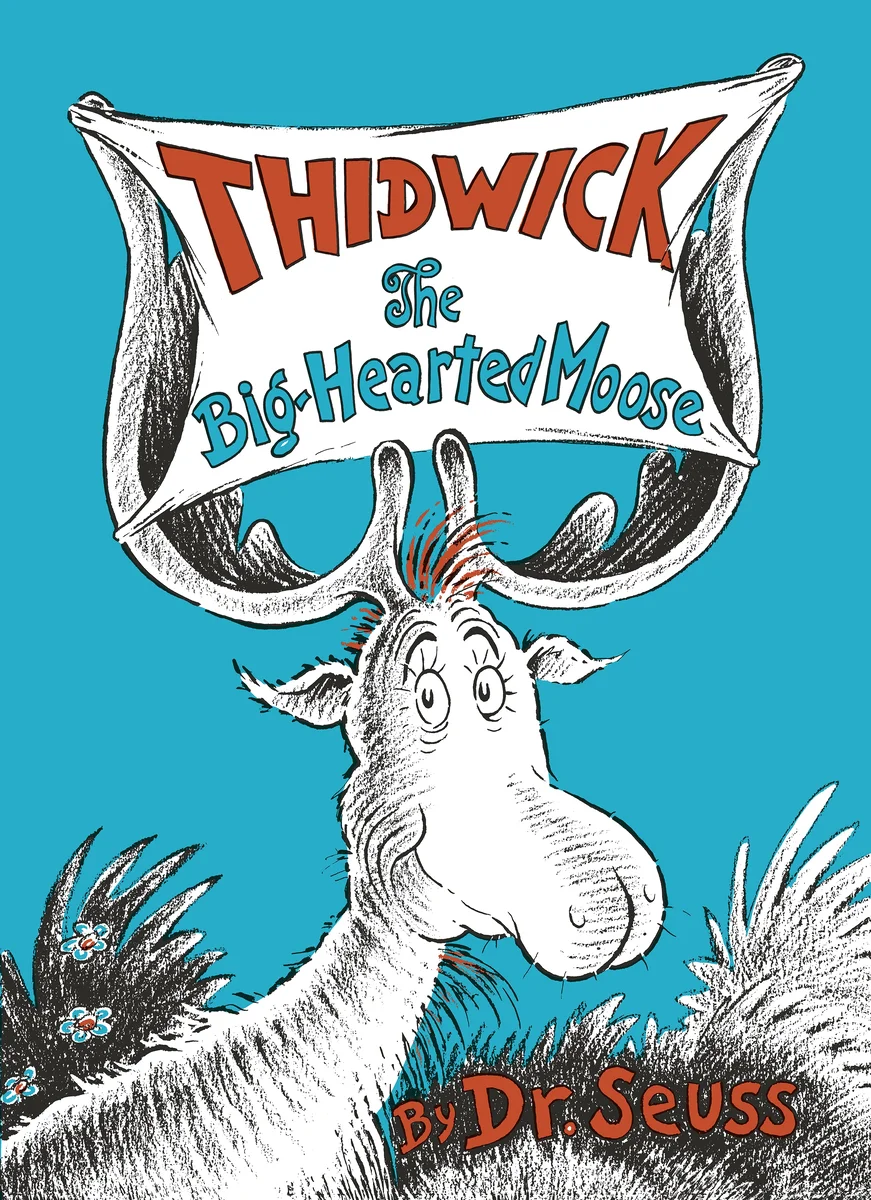
Thidwick the Big-Hearted Moose
Kindness is grand, until the whole forest moves in.
Thidwick lets one little bug hitch a ride on his antlers. The bug invites a spider, the spider a bird, and soon half the forest has moved in. It's a galloping, giggly rhyme about generosity and its limits, and a gentle way to talk with your kid about saying no.
Published 1949.
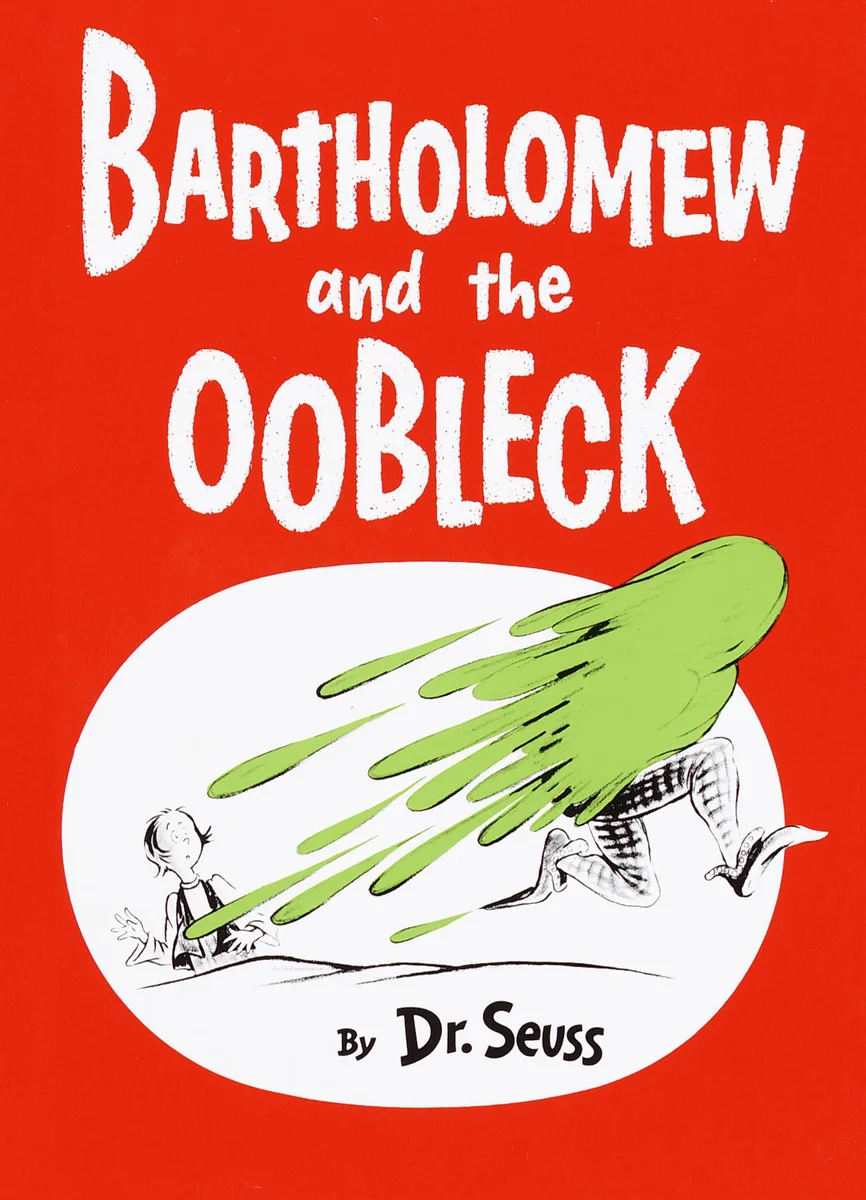
Bartholomew and the Oobleck
Two small words stop a very sticky storm.
King Derwin is bored with plain old rain and snow, so he orders his magicians to cook up something new. Down comes oobleck. Green, gooey, and sticking to the whole kingdom. Bartholomew, a plain-spoken page boy, is the one brave enough to ask the king for two small words. "I'm sorry."
Published 1954.
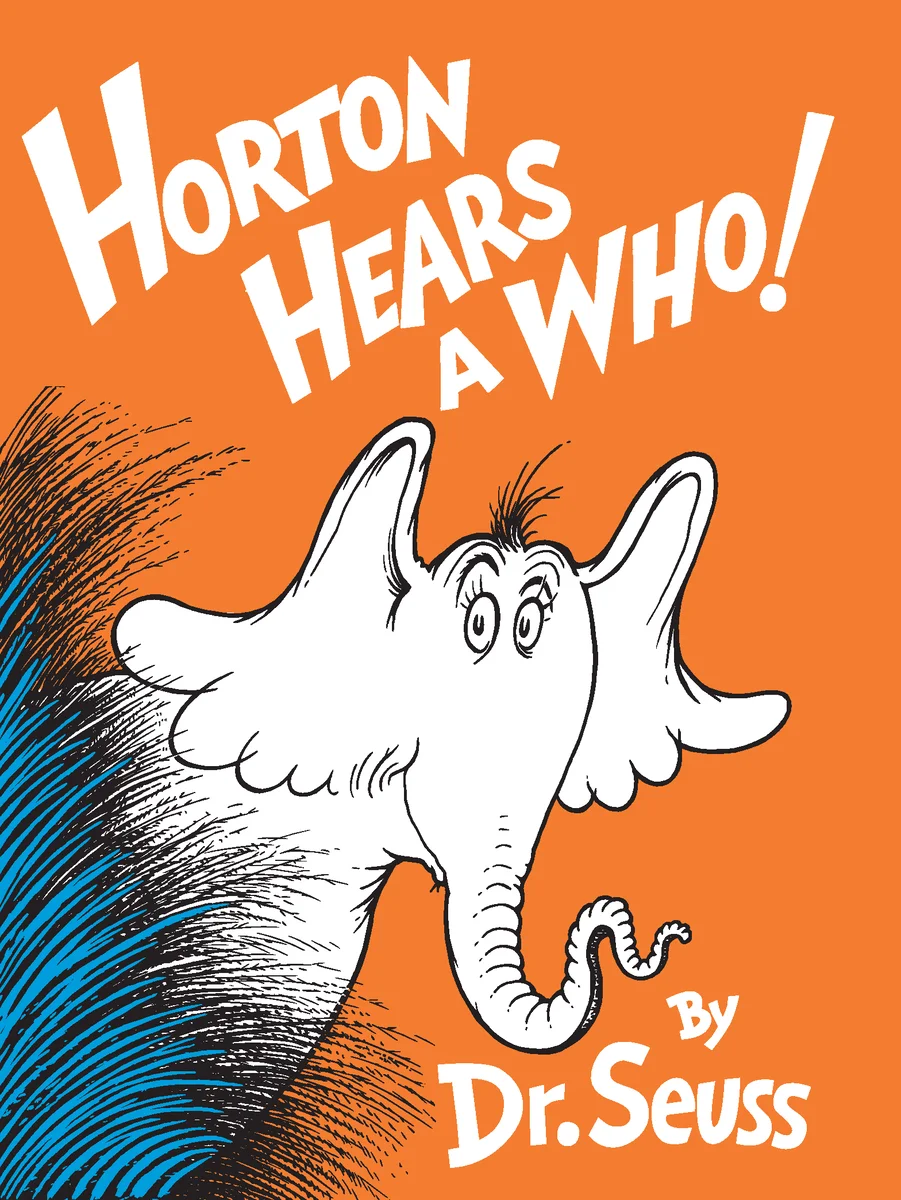
Horton Hears a Who!
Horton hears them. Your kid will too.
Horton the elephant hears a tiny cry coming from a speck of dust, and he won't let it go. The whole jungle thinks he's imagining things. He isn't. Kids gallop through the rhymes and come away with the big lesson tucked inside. Every voice counts, even the very smallest.
Published 1956.
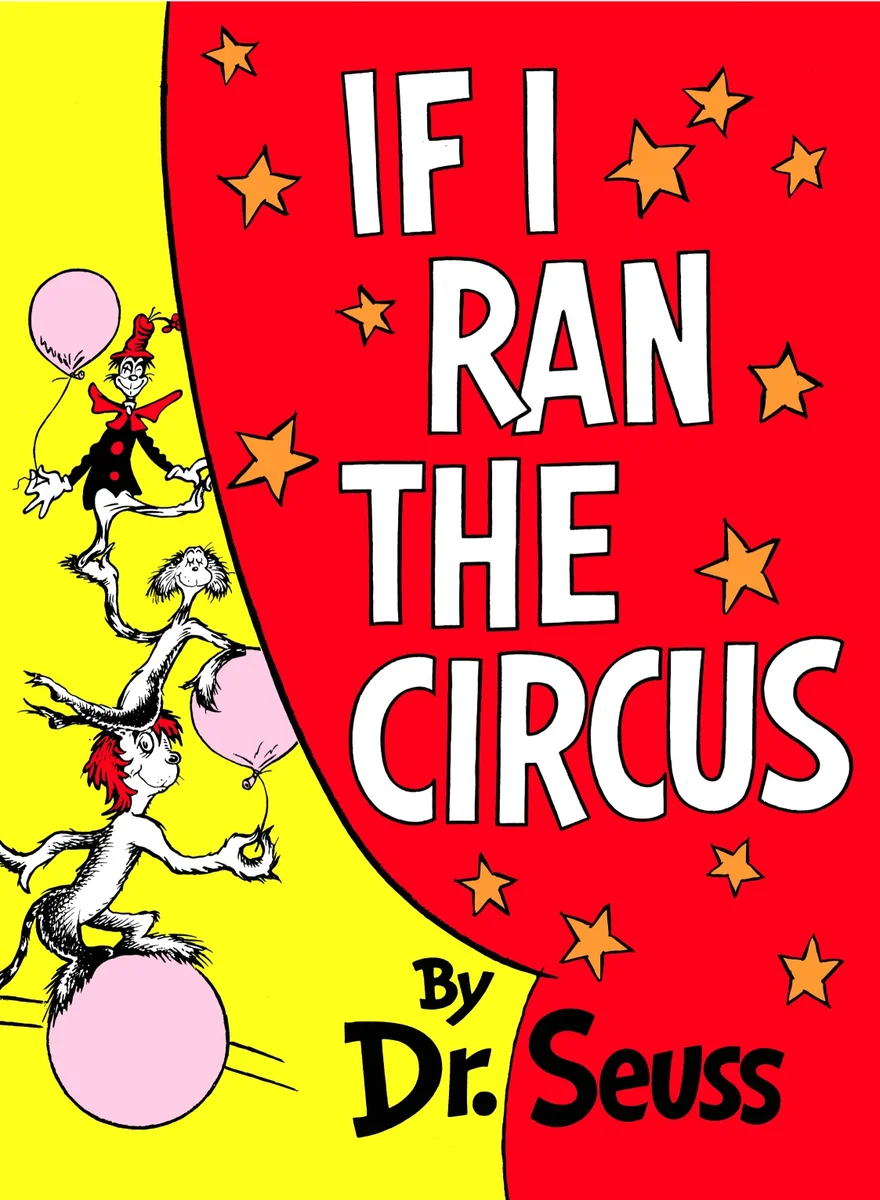
If I Ran the Circus
The greatest show behind Sneelock's store.
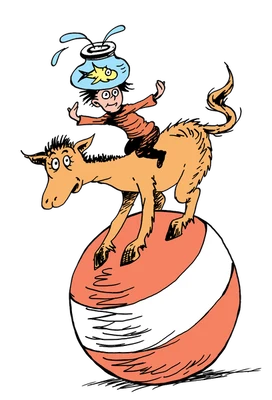
Young Morris McGurk stares at the empty lot behind Sneelock's store and sees the Circus McGurkus. A Drum-Tummied Snumm, a Remarkable Foon, a Wily Walloo. It's a big-top daydream about what imagination can build out of nothing, with poor Mr. Sneelock cast in every daring act.
Published 1958.
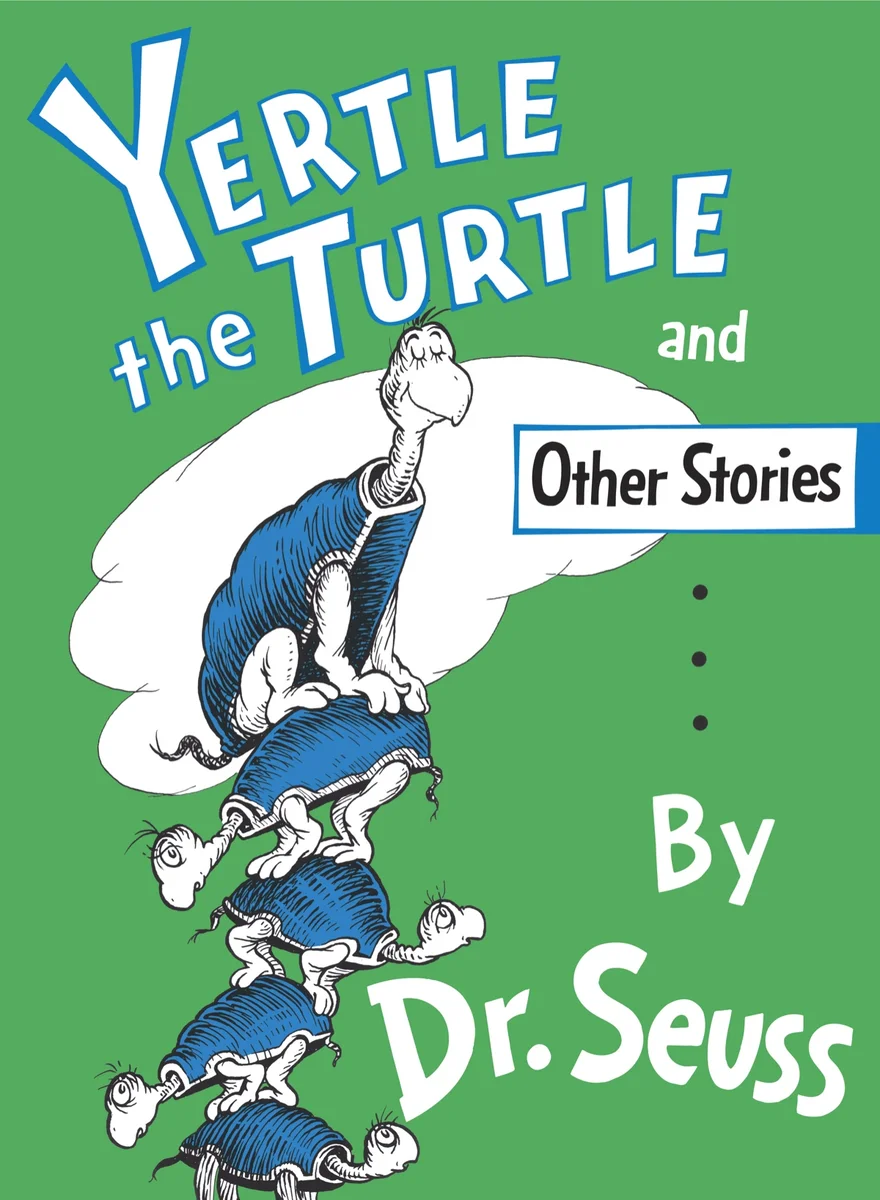
Yertle the Turtle and Other Stories
One small burp topples the turtle king.
Yertle wants a throne taller than the moon, so he stacks his pond-mates sky-high. Then a plain little turtle named Mack burps, and down comes the king. Three stories about greed, vanity, and bragging, told with the bounce kids love and lessons that stick.
Published 1959.
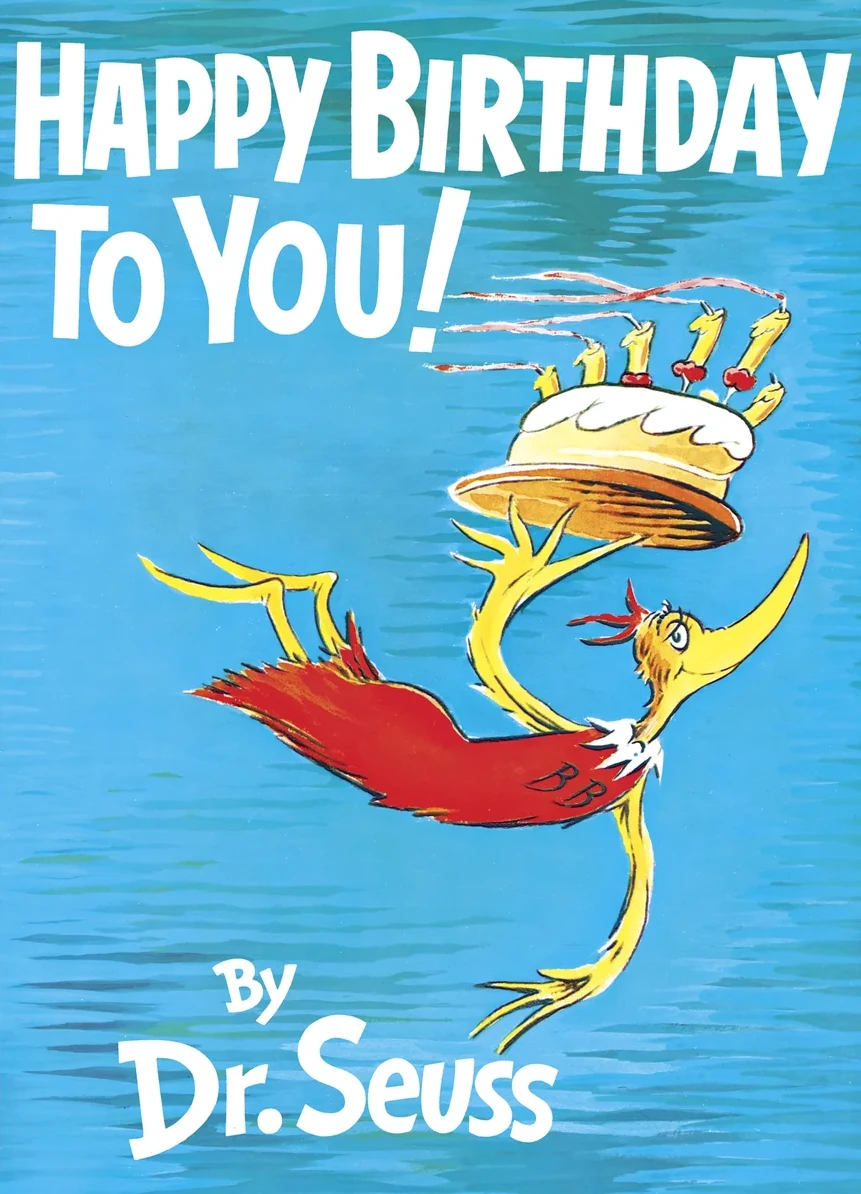
Happy Birthday to You!
One day a year that's all yours.
The Great Birthday Bird of Katroo throws one kid the party of the century. Parades, cake, and a mountain of maybes. Underneath the confetti sits the quiet lesson kids carry home. There's exactly one you, and that alone is worth celebrating.
Published 1961.
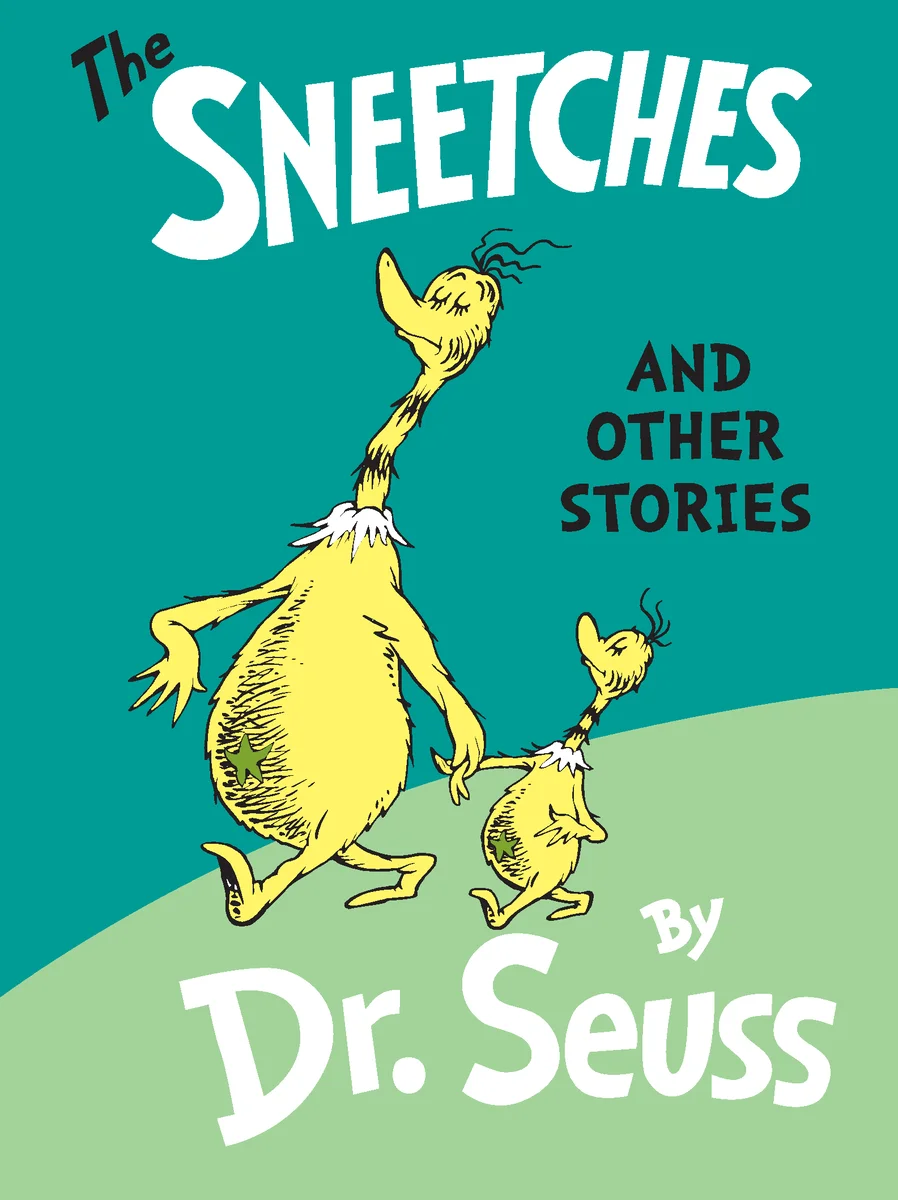
The Sneetches and Other Stories
Belly stars come and go. Kindness sticks.
Some Sneetches have stars on their bellies. Some don't. And somehow that matters, until it doesn't. Four rhyming stories about kindness, stubbornness, and a very spooky pair of pants. Your kid gets the giggles first, then the bigger idea. We're better together, stars or no stars.
Published 1962.
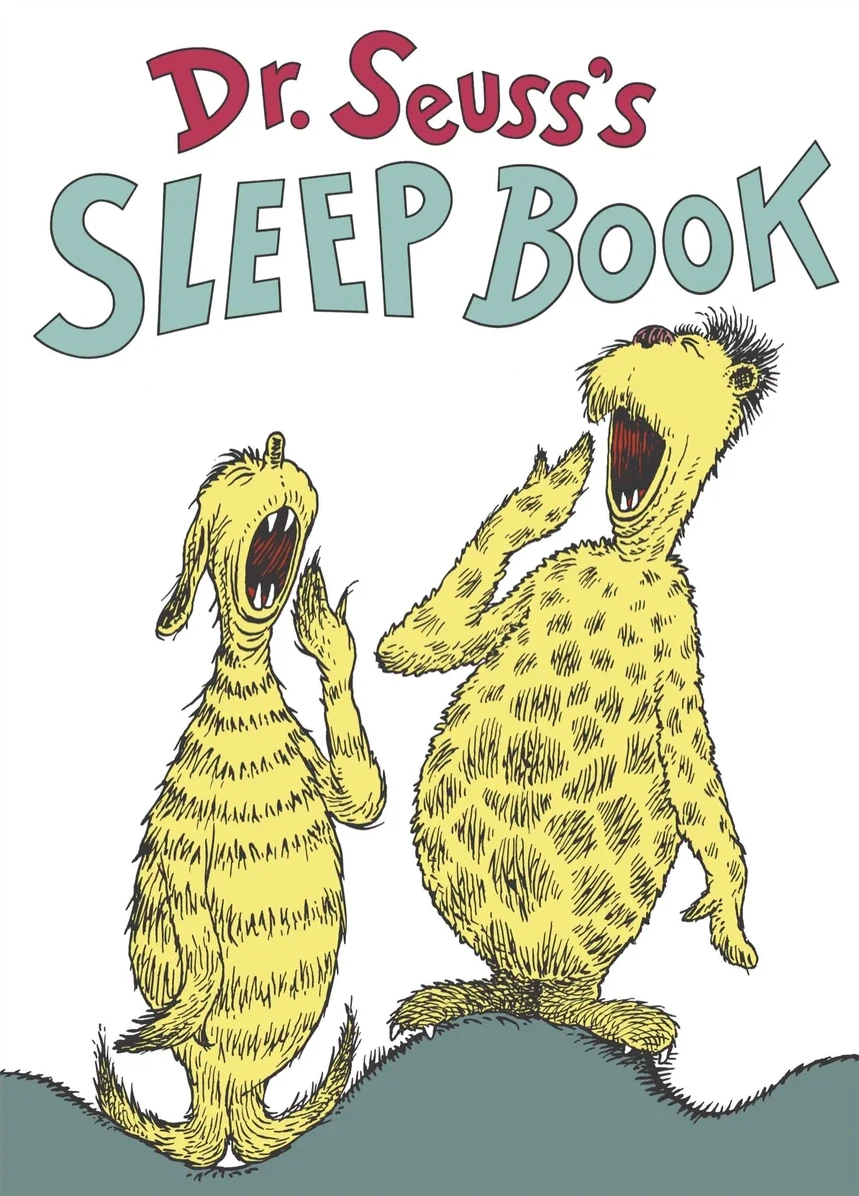
Dr. Seuss's Sleep Book
One small yawn, and the whole world nods off.
A tiny bug named Van Vleck yawns, and the yawn spreads. Soon every creature for miles is drooping, dozing, and counting its way to dreamland. Seuss wrote the gentlest wind-down in the business back in 1962, and it still works. Read it slow, dim the lights, and watch the yawns catch.
Published 1963.
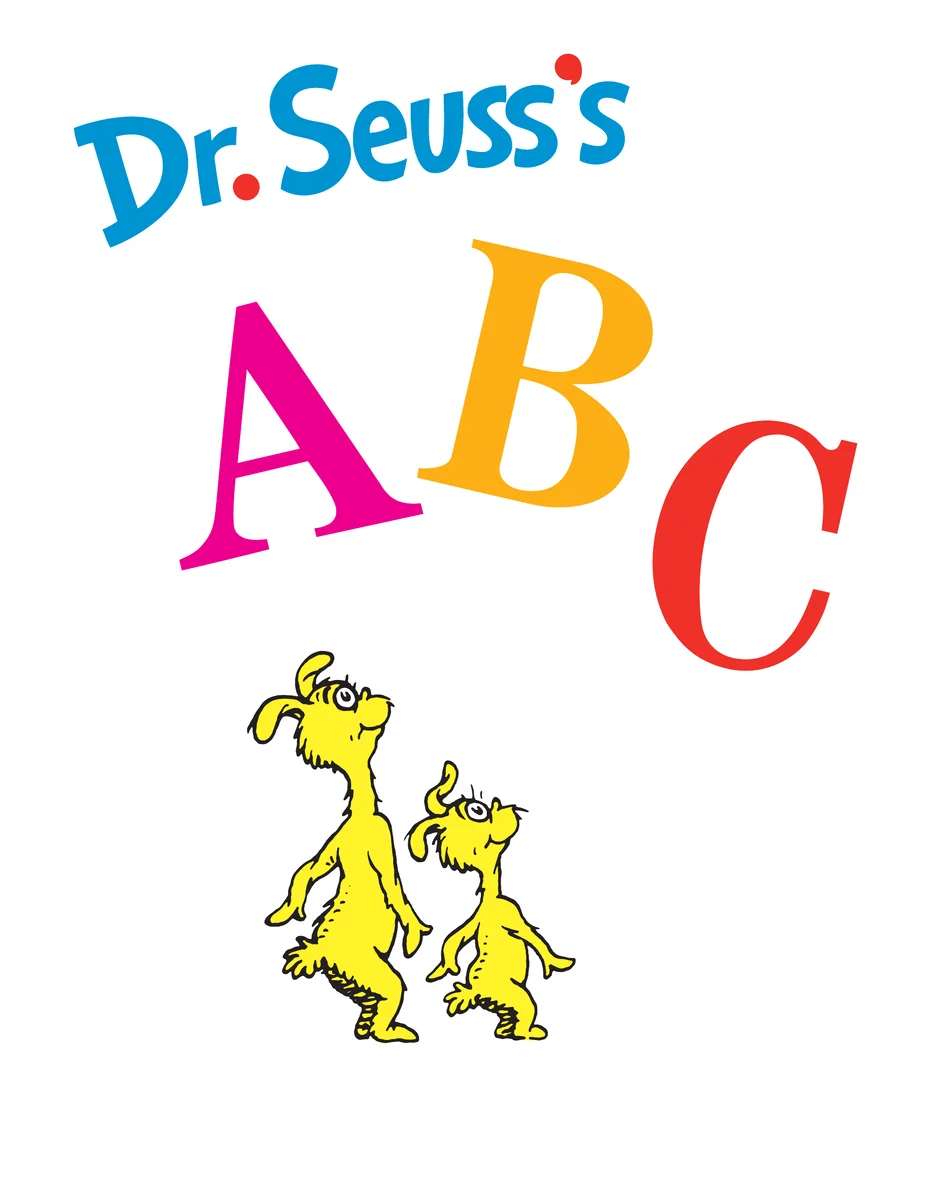
Dr. Seuss's ABC
Twenty-six letters, one gloriously silly parade.
Every letter gets its own little party here. Alligators, camels, ostriches, and the Zizzer-Zazzer-Zuzz holding down the end of the line. Kids chant the sounds long before anyone says the word phonics. By the tenth read (there will be more), yours will be spotting letters at the grocery store.
Published 1963.
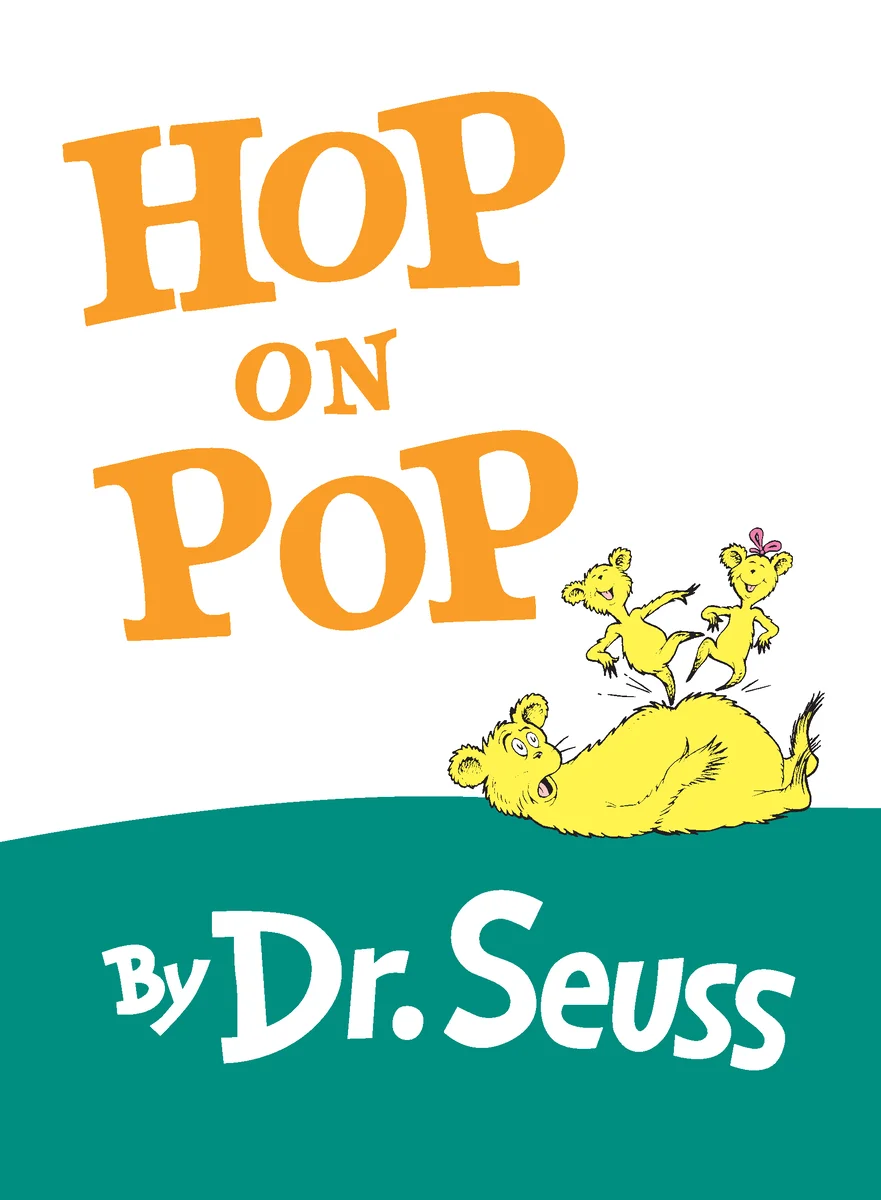
Hop on Pop
Hop, pop, stop. Reading starts with a bounce.
Hop. Pop. Stop. Three letters at a time, Dr. Seuss turns sounds into words and words into a game. Kids bounce from rhyme to rhyme, sounding out pairs like cup and pup, and somewhere in the giggling they start to read. It's the gentlest running start a reader can get.
Published 1965.
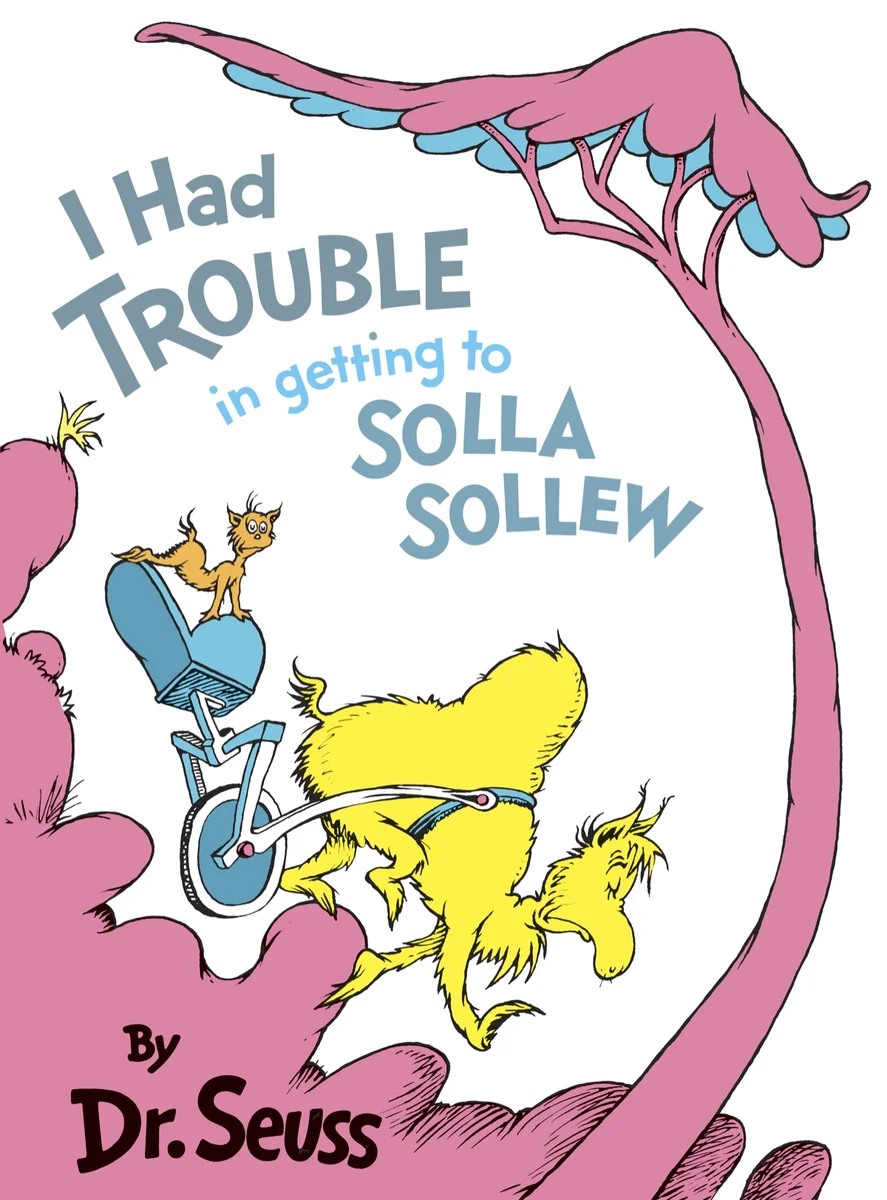
I Had Trouble in Getting to Solla Sollew
The road to trouble-free turns out pretty bumpy.
One stubbed toe and our hero is done with trouble, so he sets off for Solla Sollew, where trouble supposedly never comes. The road there disagrees. Floods, one-wheeled wagons, one very locked door. It's a funny, big-hearted story about grit, and why facing your troubles beats outrunning them.
Published 1967.
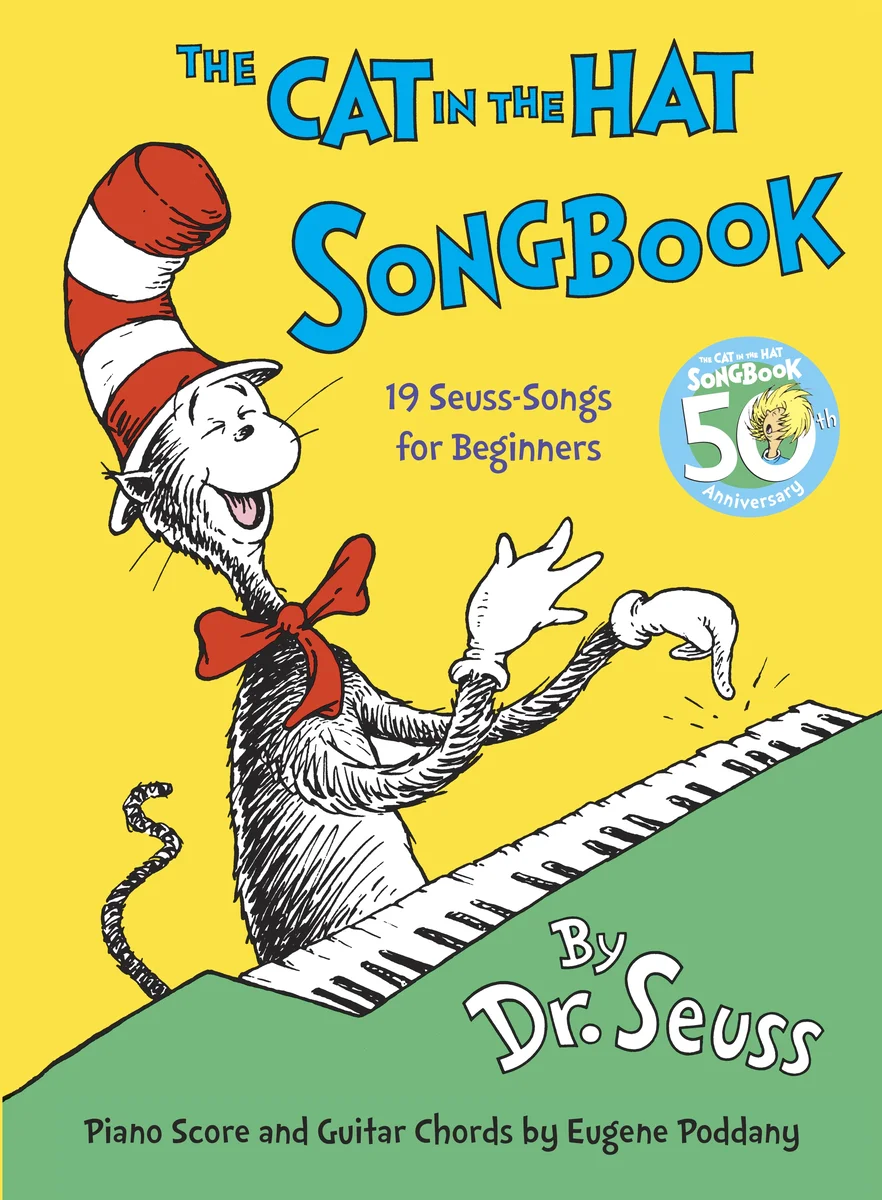
The Cat in the Hat Songbook
Nineteen silly songs, one very musical Cat.
The Cat trades his hat tricks for piano keys in this 1967 collection of 19 sing-along songs. Dr. Seuss wrote the words, composer Eugene Poddany set them to music, and kids get marching tunes, lullabies, and giggles in equal measure. Fair warning, "The Super-Supper March" will get stuck in your head.
Published 1968.
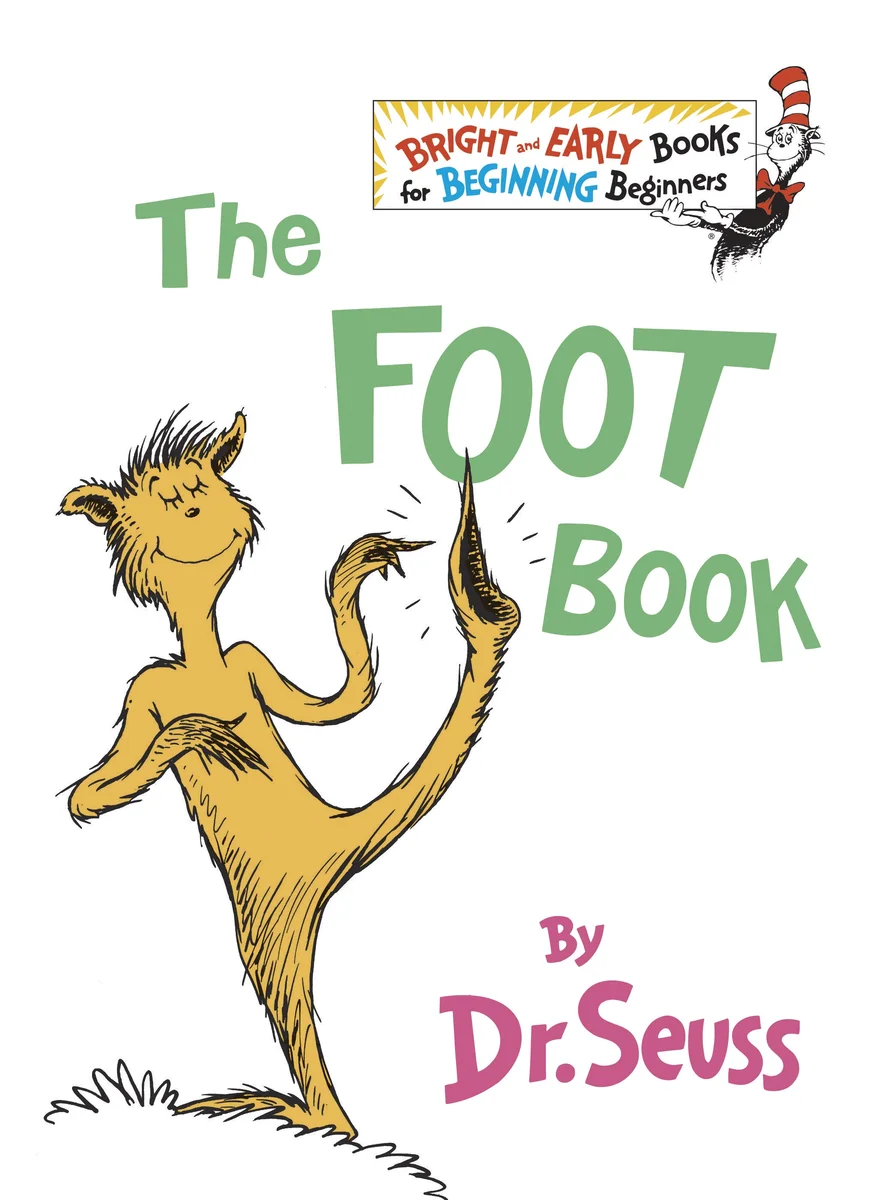
The Foot Book
Opposites, one goofy foot at a time.
Dr. Seuss kicked off his Bright and Early line in 1968 with a parade of feet. Big ones, small ones, fast ones, slow ones. Every pair sneaks in a lesson on opposites, set to a beat so catchy your kid will stomp it across the kitchen floor.
Published 1969.
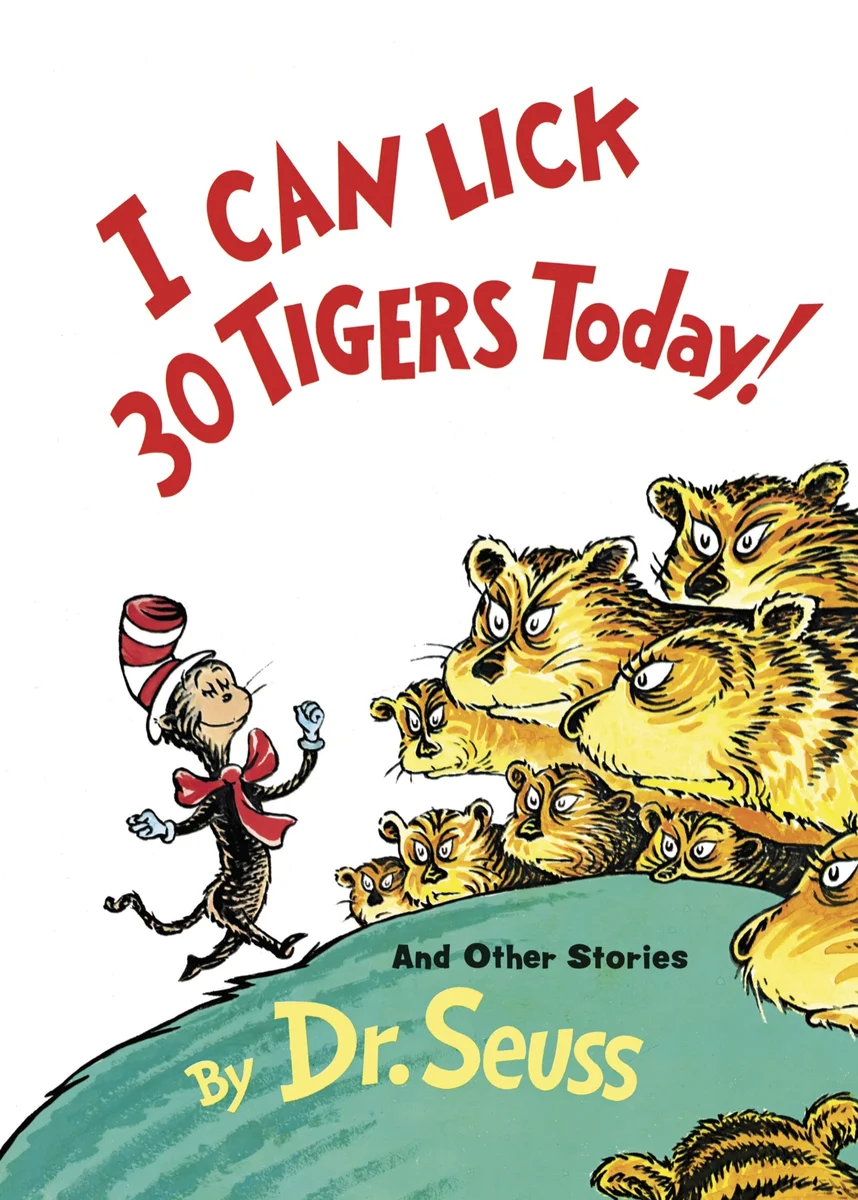
I Can Lick 30 Tigers Today! and Other Stories
Big talk, bigger tigers, and one runaway imagination.
Three short stories, one swaggering young cat. He struts uphill to lick 30 tigers, then does some quick math on his claim. Add a kingdom of tail-holding cats and a Glunk that won't un-thunk, and you've got a funny little masterclass in big talk and bigger thinking.
Published 1970.
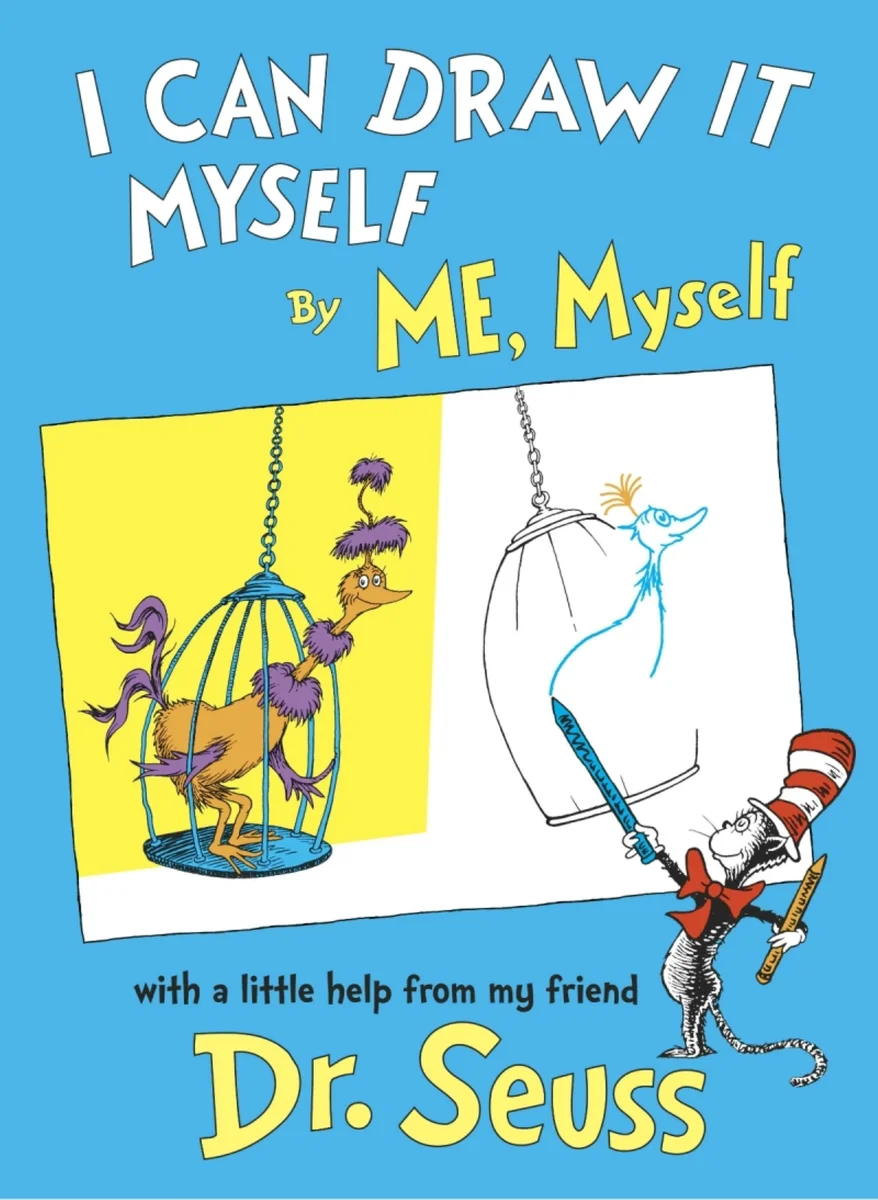
I Can Draw ItMyself, By Me, Myself
Dr. Seuss starts the picture. Your kid finishes it.
Dr. Seuss left these drawings unfinished on purpose. A bird with no feet. A creature missing its nose. Your kid picks up a crayon and completes each one, 18 pictures in all. It's the rare Seuss book where the byline belongs to your child.
Published 1970.
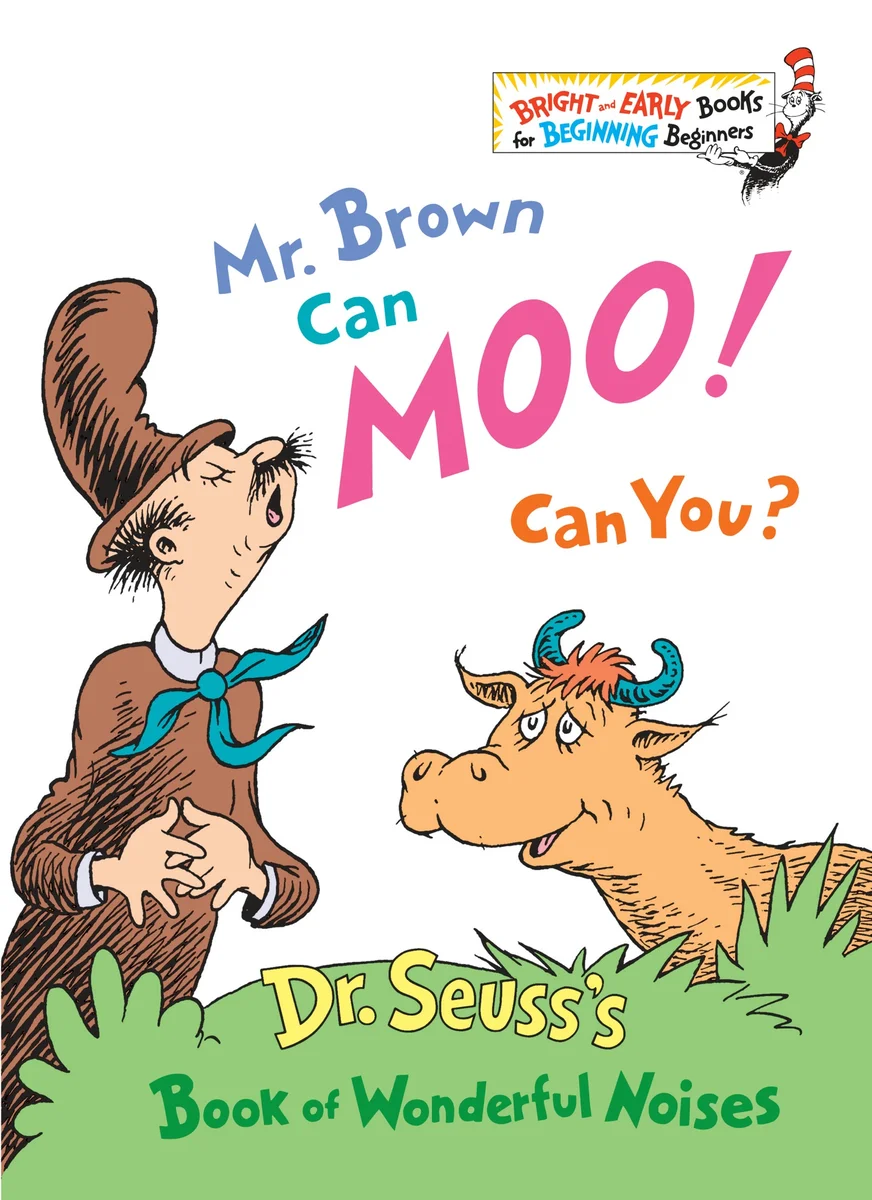
Mr. Brown Can Moo! Can You?
Fair warning, story time is about to get loud.
Mr. Brown can moo, buzz, and boom like thunder, and your kid gets to copy every one. All that noisy fun is early phonics in disguise. Hearing sounds, matching them to words, and building the ear a new reader needs. Since 1970, the loudest quiet time ever.
Published 1972.
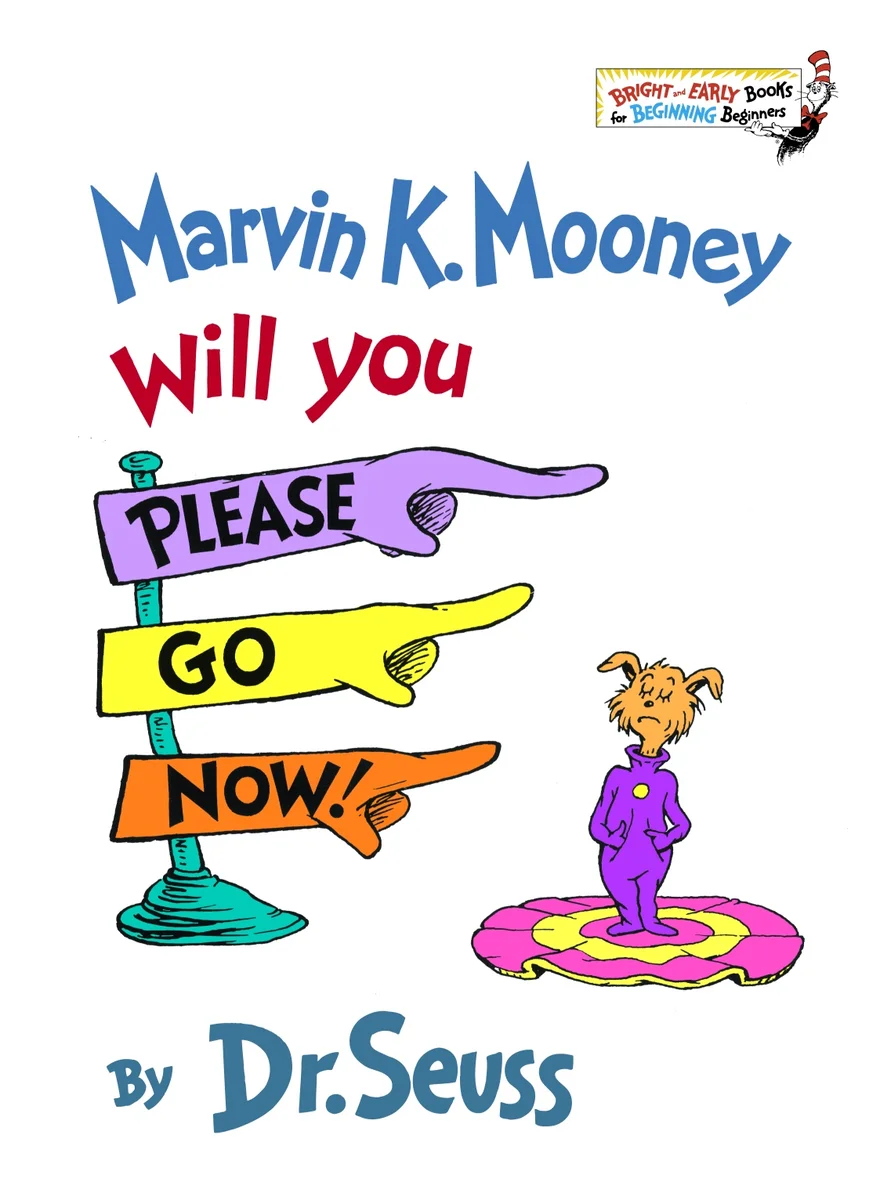
Marvin K. MooneyWill You Please Go Now!
So many ways to go. Marvin won't budge.
Marvin K. Mooney has been asked to leave. First politely, then louder, then by camel, cow, Crunk-Car, and Bumble-Boat. He stays put anyway. Your early reader will love the repetition, the ridiculous rides, and the payoff when Marvin finally goes. Short words, big rhythm, made for reading out loud.
Published 1973.
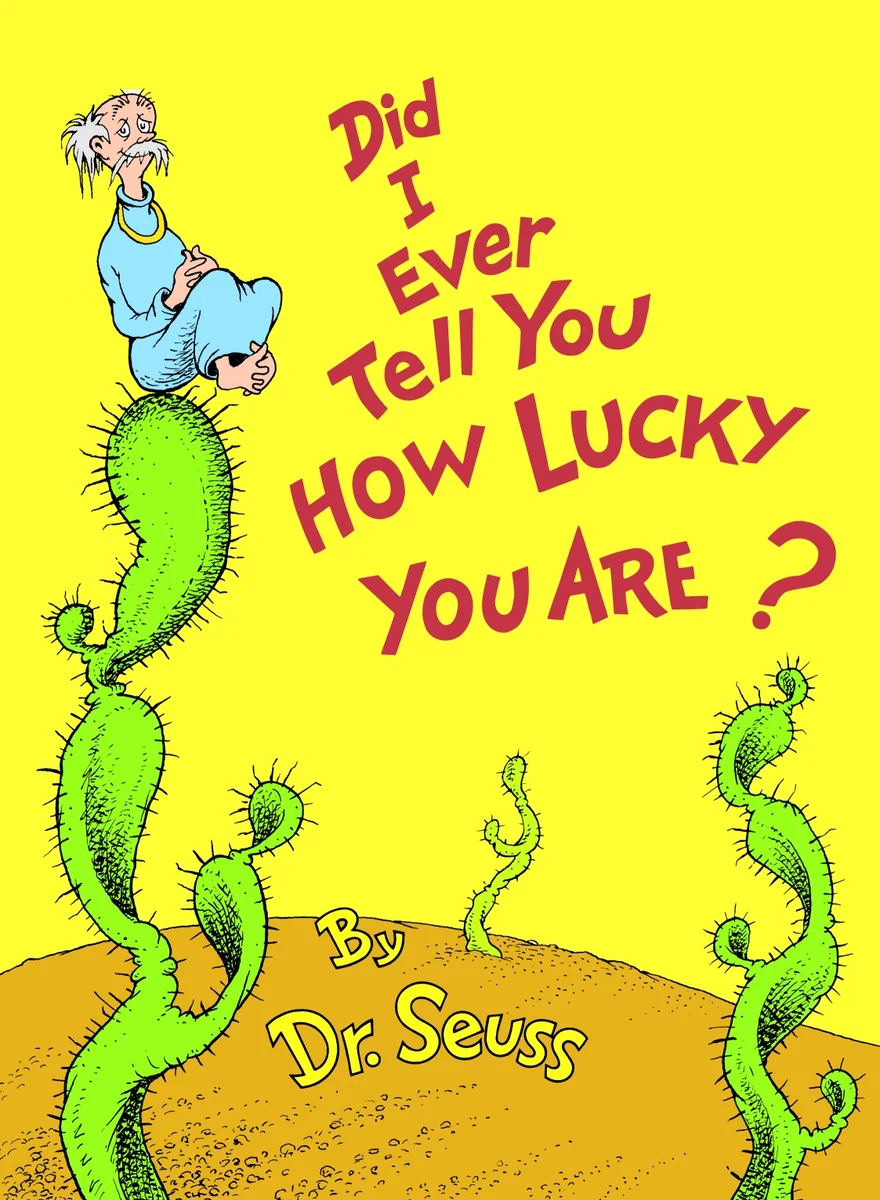
Did I Ever Tell You How Lucky You Are?
The luckiest lesson ever perched on a cactus.
An old desert sage perches on a cactus and runs through troubles your kid will never have. Shlumpy Borfins, grass that grows back as fast as you mow it, a full-time bee-watcher. By the last page the whole family's counting its luck. First published in 1973, and the gratitude still lands.
Published 1973.
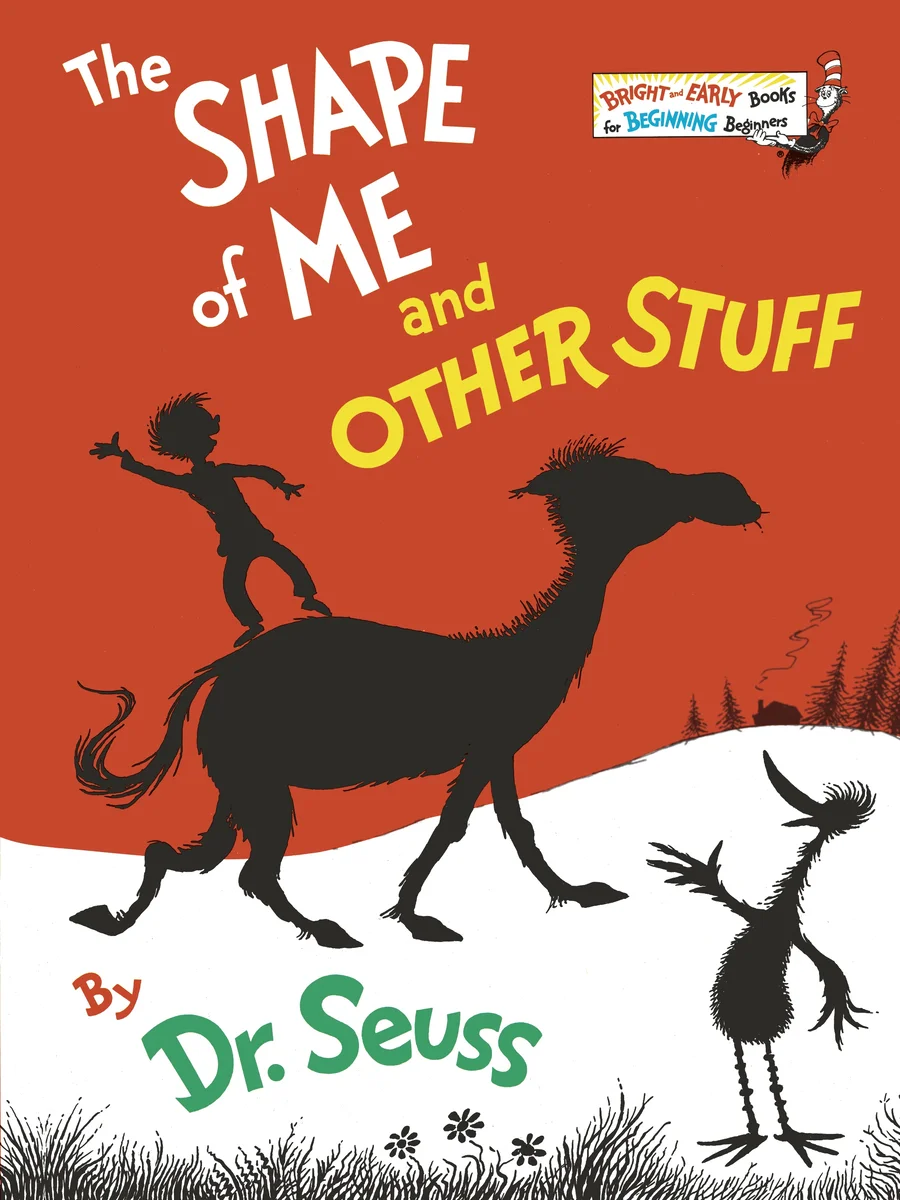
The Shape of Me and Other Stuff
Look closely. The whole world is made of shapes.
Everything in this one casts a shadow. Kids, bugs, bikes, and one very shapely camel, all inked in bold silhouette while Dr. Seuss riffs on the shape of, well, everything. It's a first lesson in really looking. After a read or two, your kid will be spotting shapes in the toast.
Published 1974.
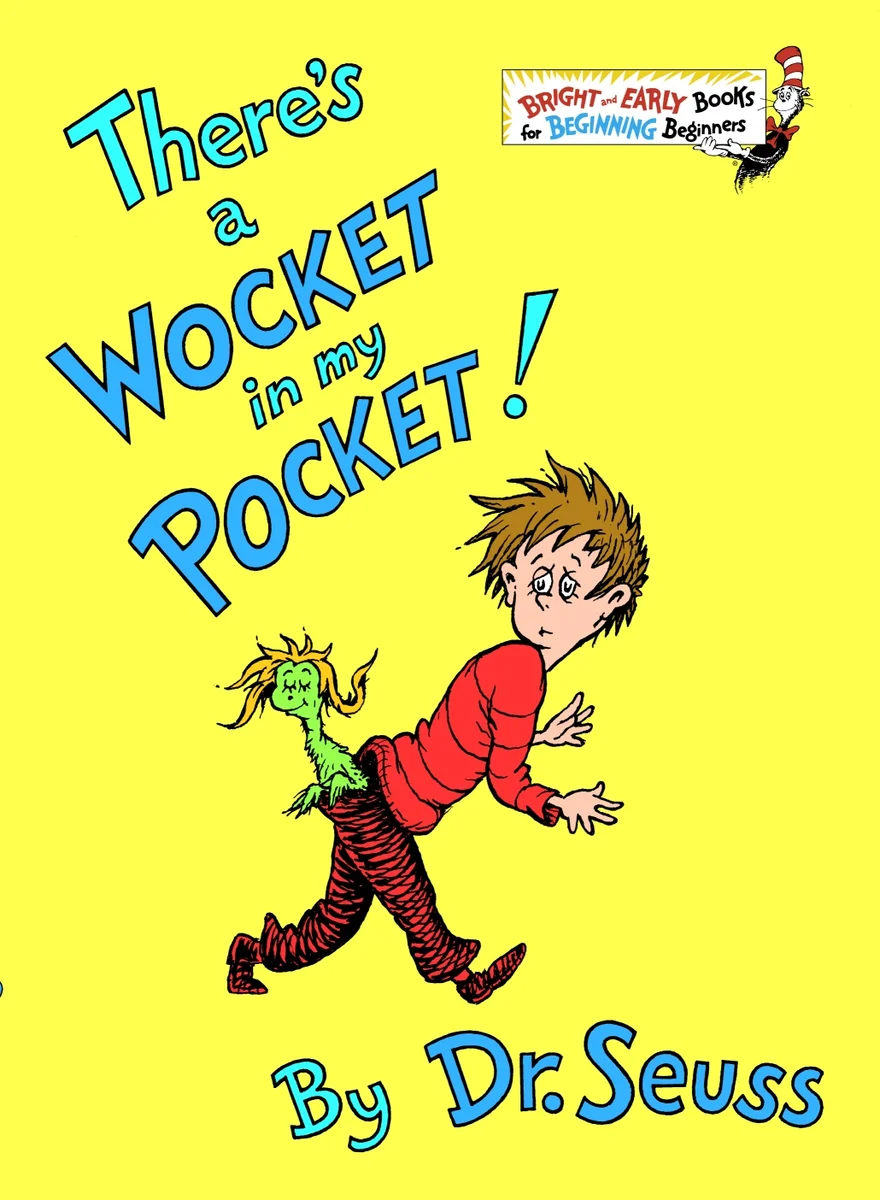
There's a Wocket in My Pocket!
There's a rhyme hiding in every room.
A boy tours his own house and finds it crawling with friendly nonsense. A creature behind the clock, another under the rug, one snoozing on a shelf. Every made-up name is a rhyme your kid can catch, which is sneaky phonics dressed up as a giggle. Bedtime may run long.
Published 1975.
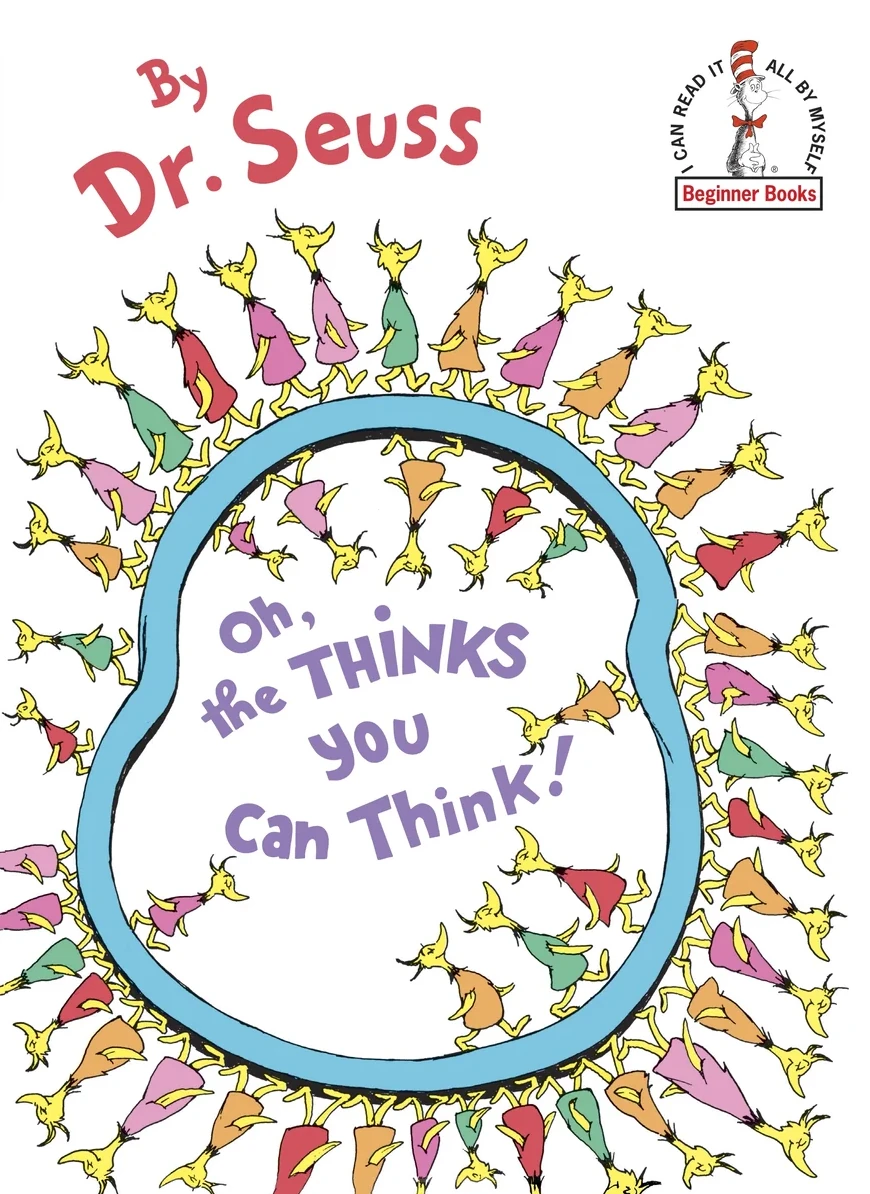
Oh, the Thinks You Can Think!
Big thinks for little thinkers.
Seuss turns "think" into a noun and hands it to your kid. Odd birds, strange waters, a creature or two with unpronounceable names. The words stay simple so beginning readers keep up while their imaginations sprint ahead. Fifty years and counting, it's still the best warm-up an idea ever had.
Published 1978.
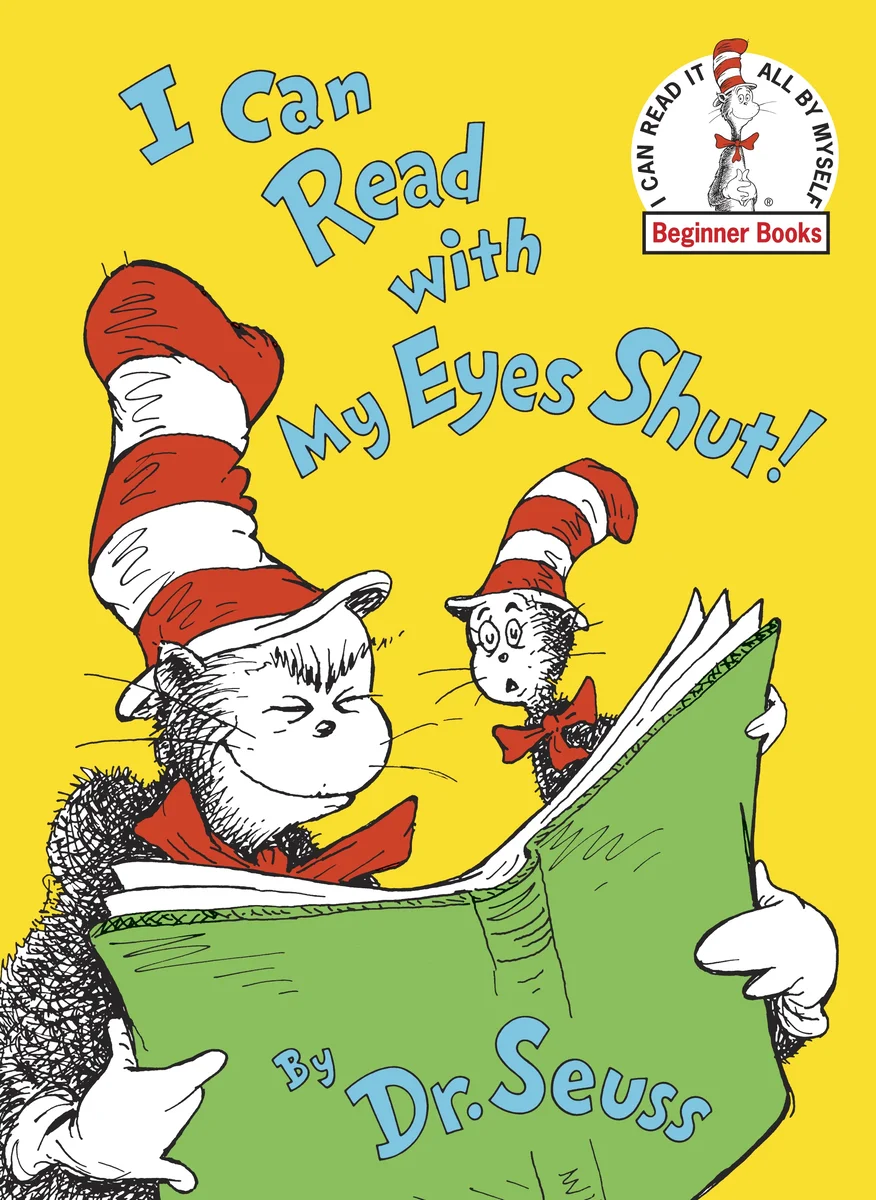
I Can Read With My Eyes Shut!
Open your eyes. There's a lot to read.
The Cat in the Hat tries reading with his eyes shut and quickly thinks better of it. This one's a love letter to reading itself. Silly words, wild facts, and the promise that every page takes you somewhere new. A sweet nudge for kids just falling for books.
Published 1979.
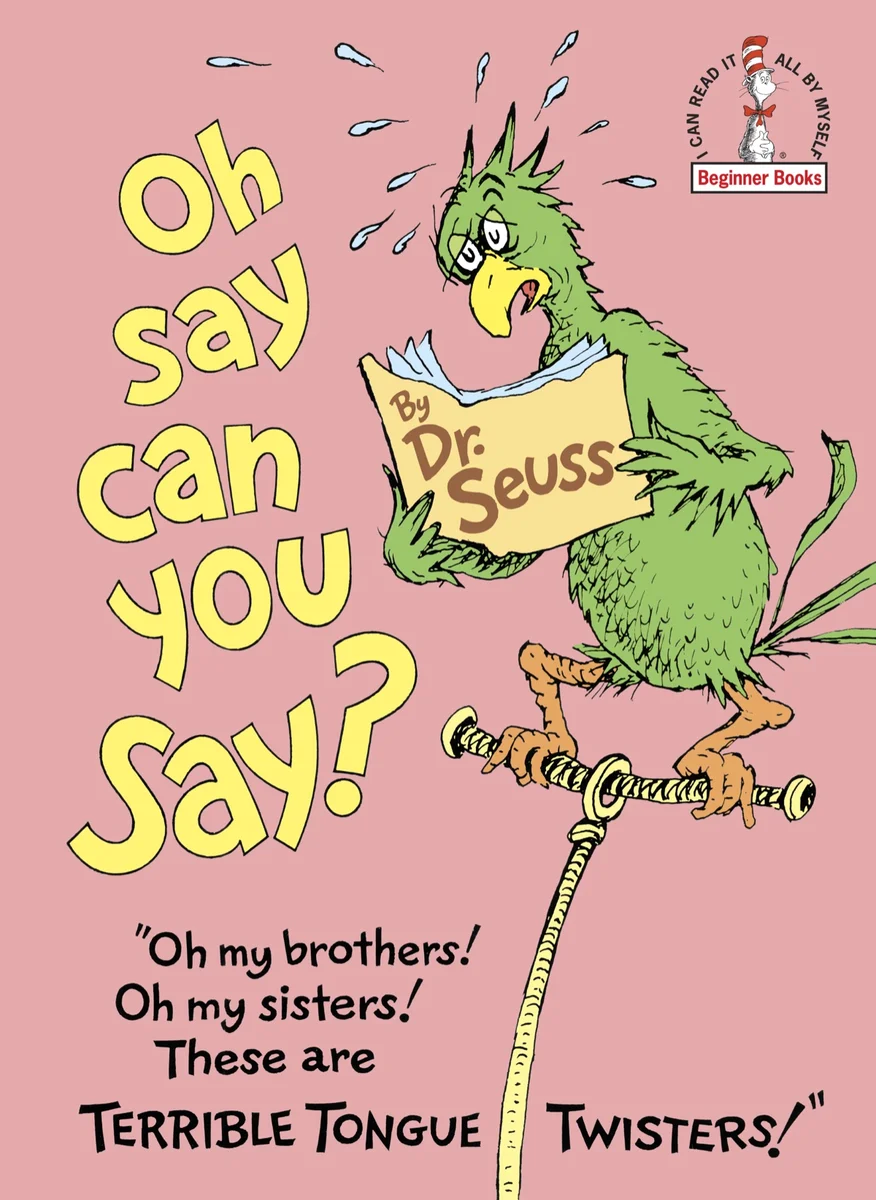
Oh, Say Can You Say?
Say it fast. Say it twice. Good luck.
Fair warning, your tongue will trip, and your kid will love watching it happen. Dr. Seuss loaded these pages with tongue twisters that get funnier every time you fumble them. Underneath the giggles, all that repeating and retrying builds real sound-and-word muscle. Best read out loud, together, badly.
Published 1982.
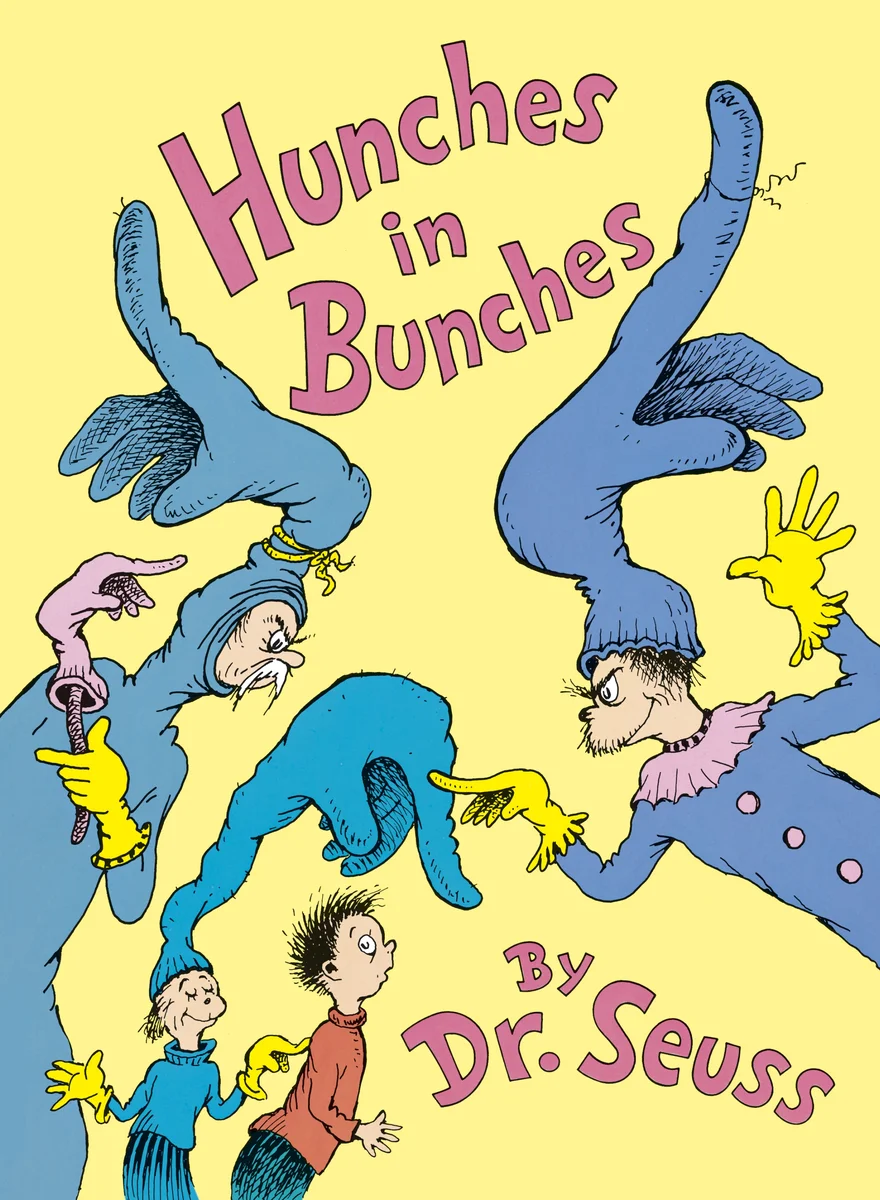
Hunches in Bunches
What to do when your hunches gang up.
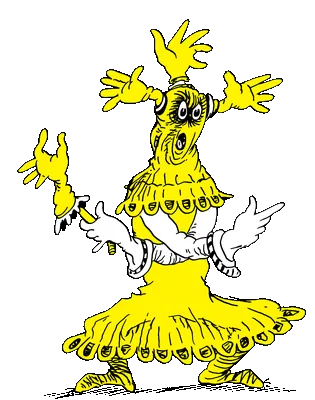
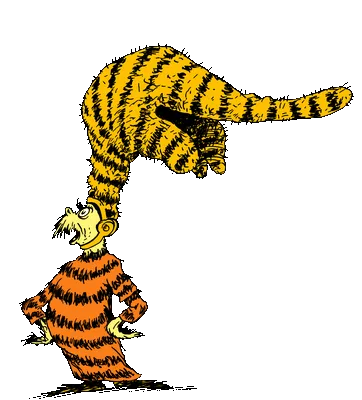
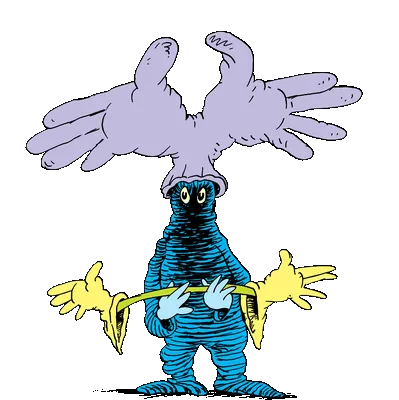
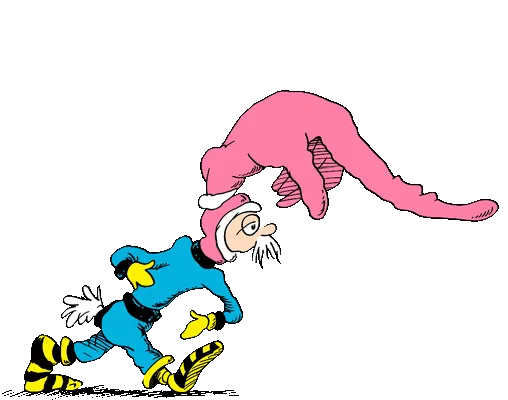
Ever watched your kid stall out between six good options? Same. In this 1982 story, a boy gets swarmed by Hunches, big blue mitten-headed characters, each one pointing a different way. He learns to quiet the noise and pick for himself. A funny, useful lesson in making up your mind.
Published 1984.
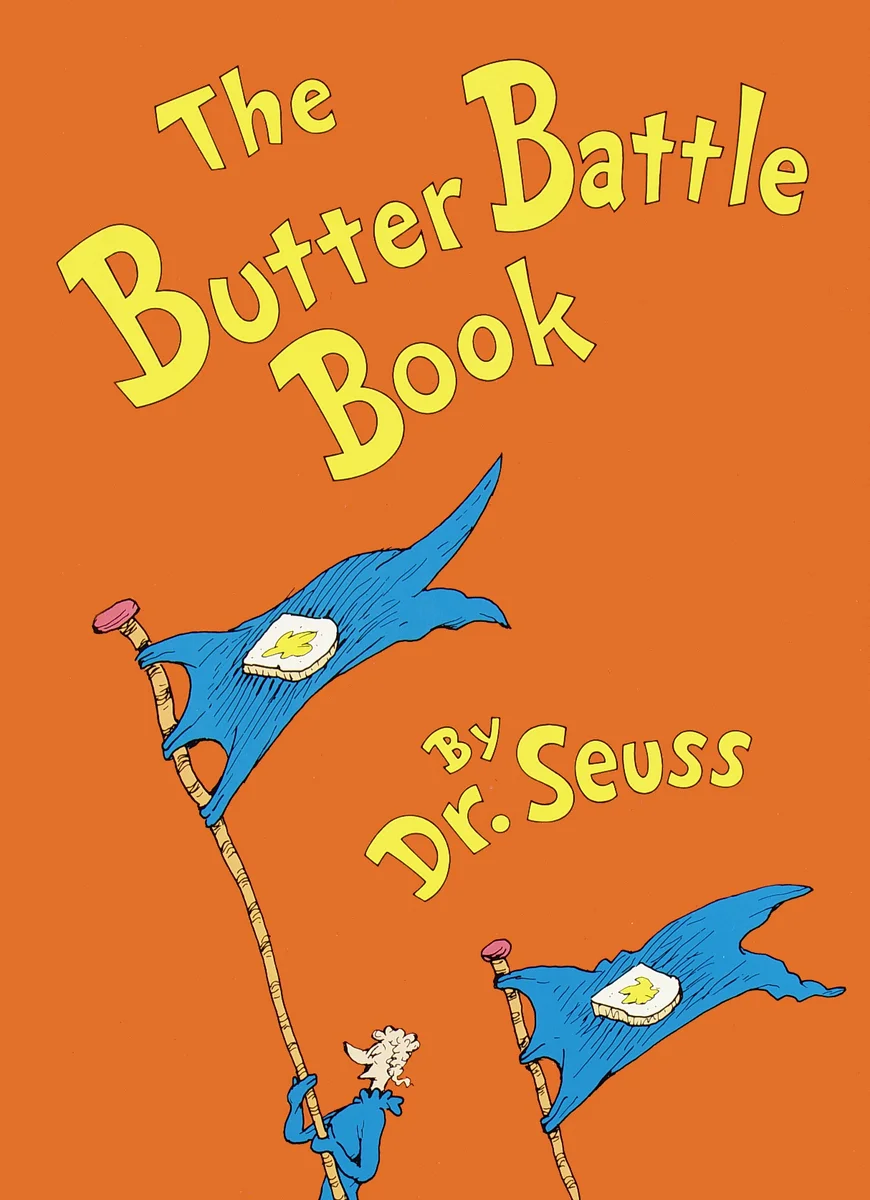
The Butter Battle Book
A great big standoff over buttered bread.
The Yooks butter their bread on top. The Zooks butter theirs underneath. From that tiny disagreement comes a wall, a standoff, and some gloriously silly contraptions. It's Dr. Seuss at his sharpest, giving kids (and grown-ups) a gentle way to talk about conflict, stubbornness, and seeing the other side.
Published 1986.
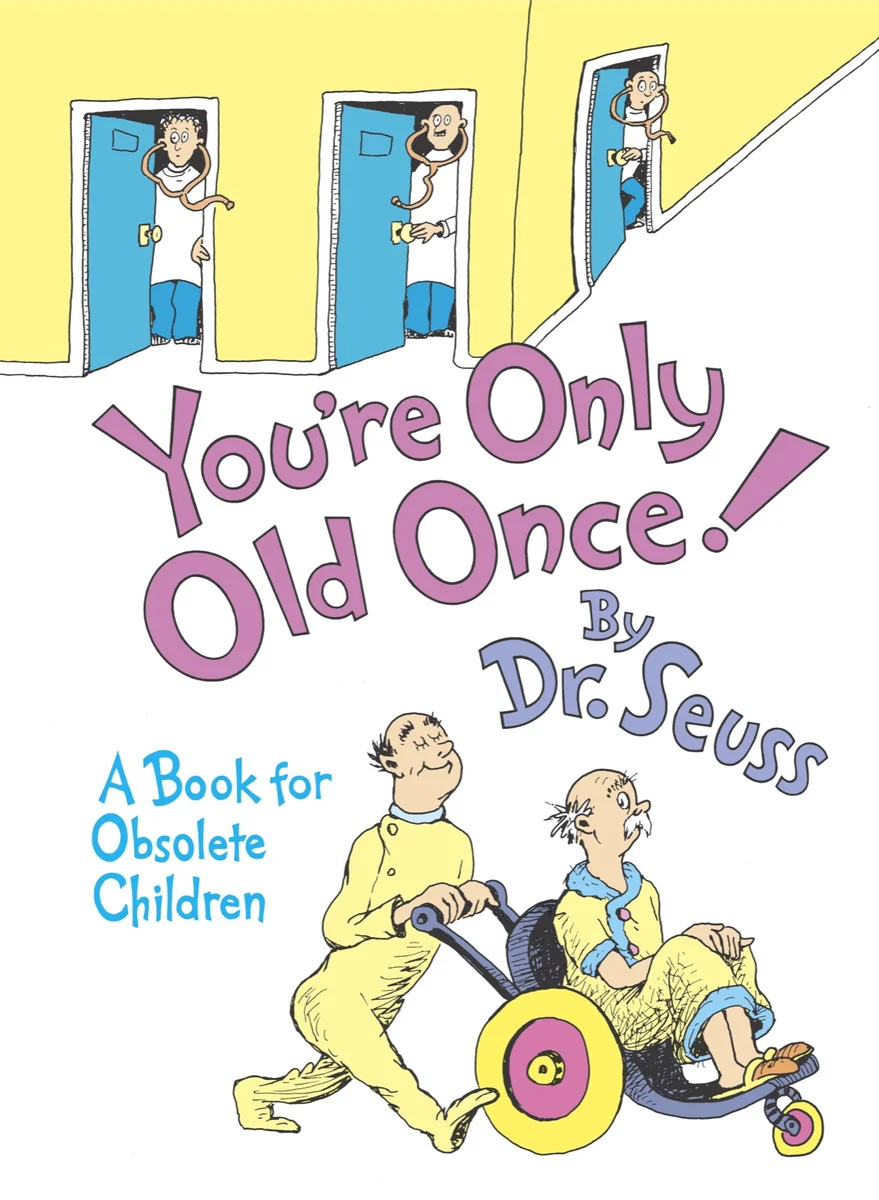
You're Only Old Once!
The one Seuss wrote for grandma and grandpa.
Seuss wrote this one at 82, a birthday gift to anyone with a few grey hairs. A patient shuffles into the Golden Years Clinic, where doctors run him through every test, pill, and payment window imaginable. It's the rare picture book grandparents laugh at hardest. Read it together.
Published 1990.
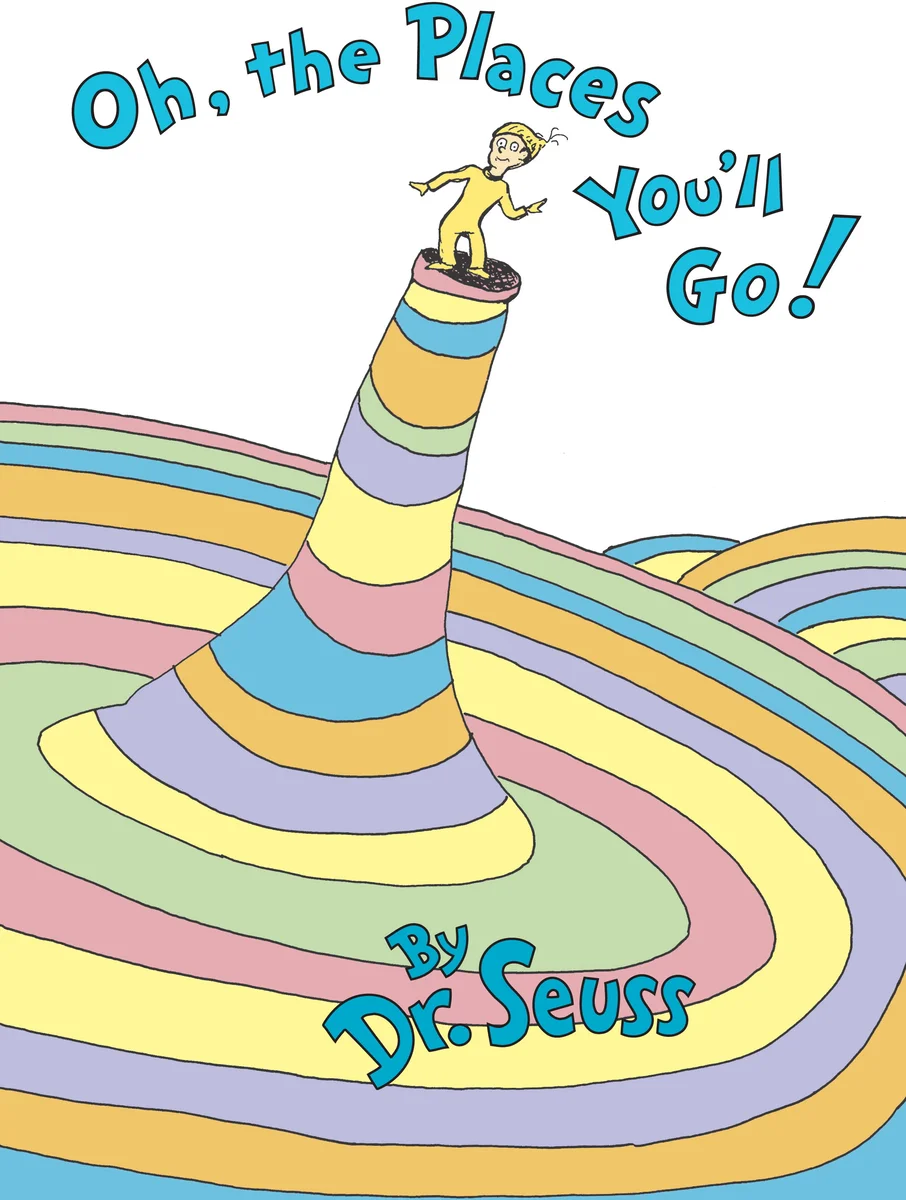
Oh, the Places You'll Go!
Every big journey starts with one small reader.
Dr. Seuss saved his best pep talk for last. The final book he published is one long cheer for the road ahead. Bright places, waiting places, the occasional slump. Kids soak up the bouncy rhymes while quietly learning that wobbles pass, and that brains and feet can carry you anywhere.
Published 2011.
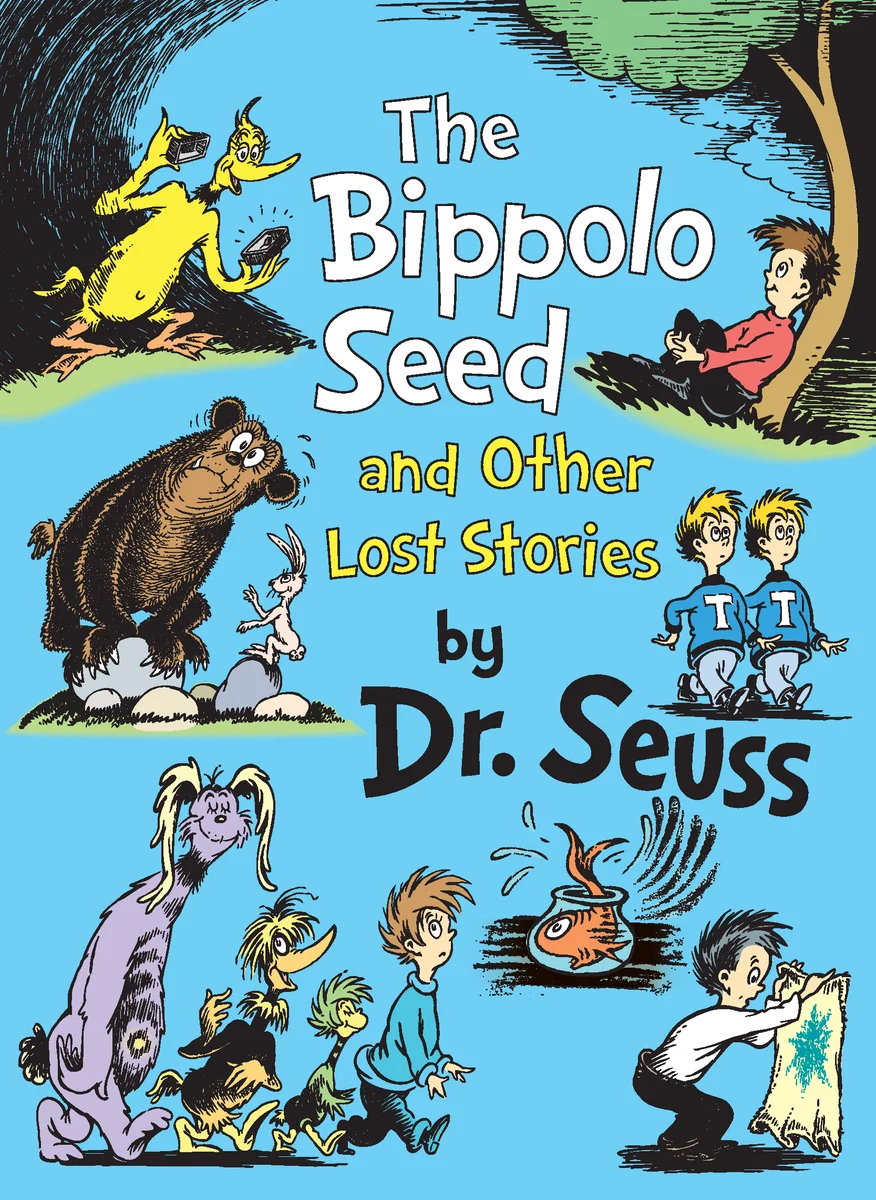
The Bippolo Seedand Other Lost Stories
Seven stories hid in magazines for 60 years.
Back in 1950, Dr. Seuss tucked seven stories into magazines and moved on. A Seuss-loving dentist dug them up 60 years later. Inside were a magic seed, a scheming cat, and a goldfish that grows too big. Bouncy rhymes and sly little lessons, perfect practice for ears learning to love language.
Published 2015.
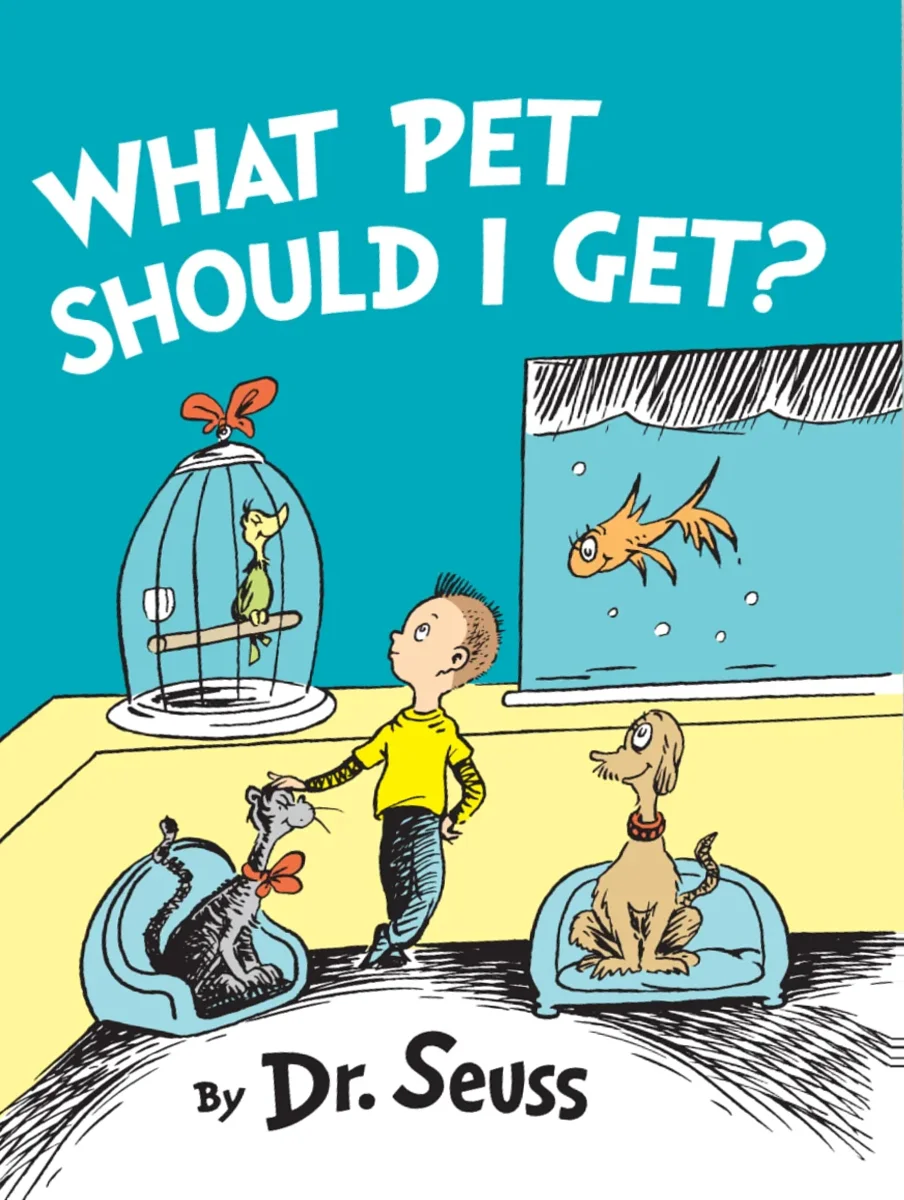
What Pet Should I Get?
A whole pet store, and just one yes.
A brother and sister walk into a pet store with one job. Pick a pet, just one, before it's time to head home. Found in a box 22 years after Dr. Seuss died, this rhyming charmer gives kids a giggly first lesson in making up their minds.
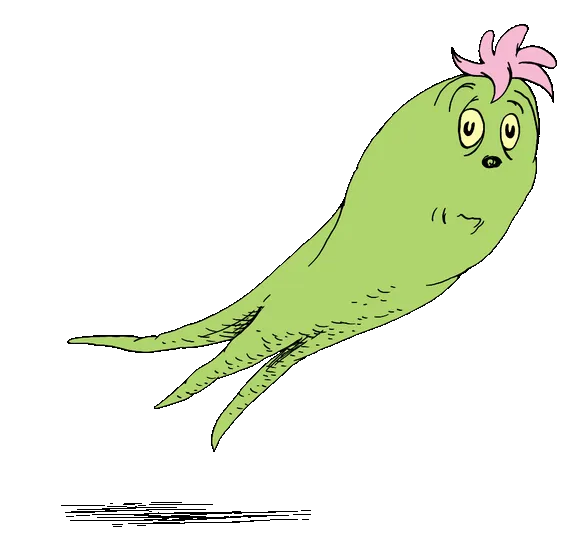
Say hello to some familiar faces. And maybe some new ones, too.
Grouped by the book they live in.
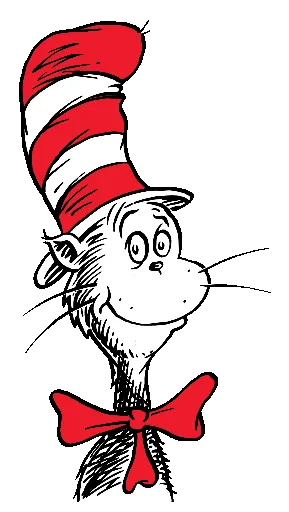
The Cat in the Hat
How the Grinch Stole Christmas!
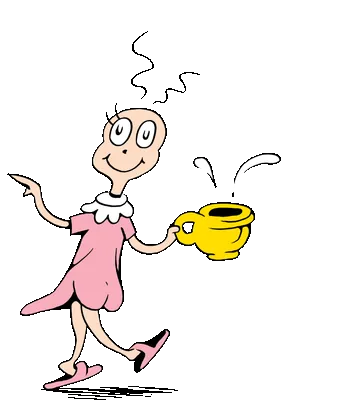
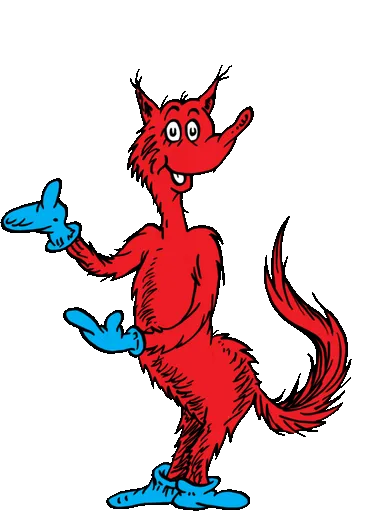
Fox in Socks
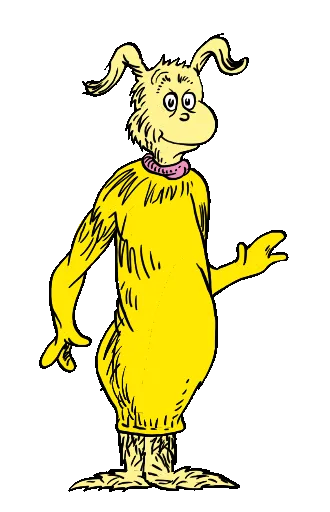
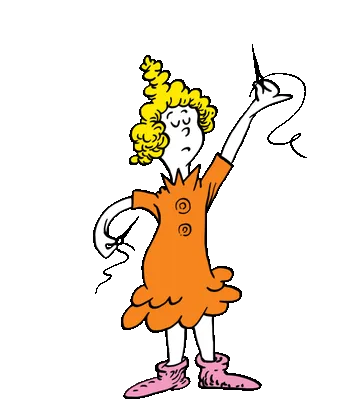
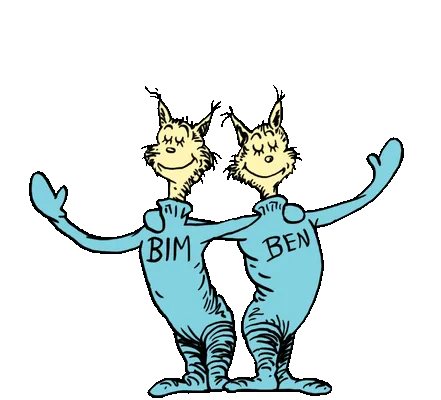
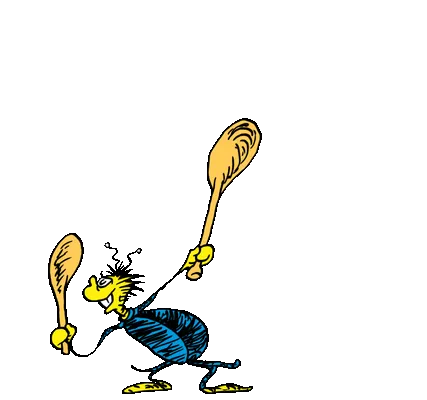
One Fish Two Fish Red Fish Blue Fish
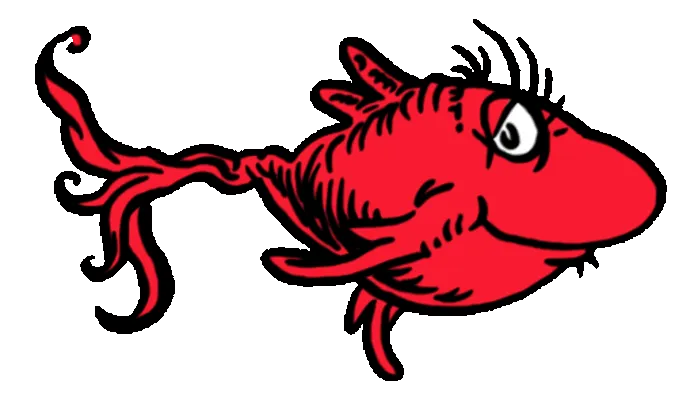
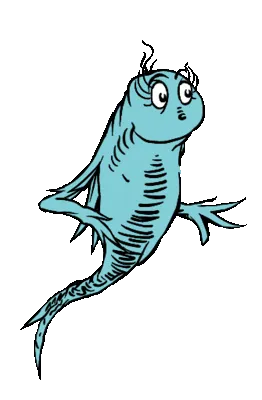
The Lorax
Green Eggs and Ham
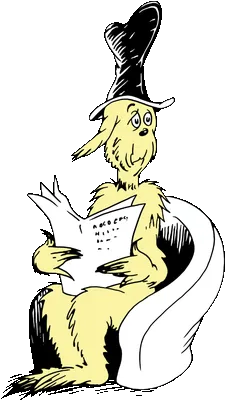
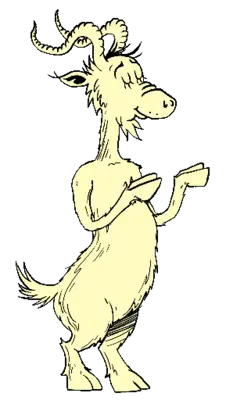
Hop on Pop
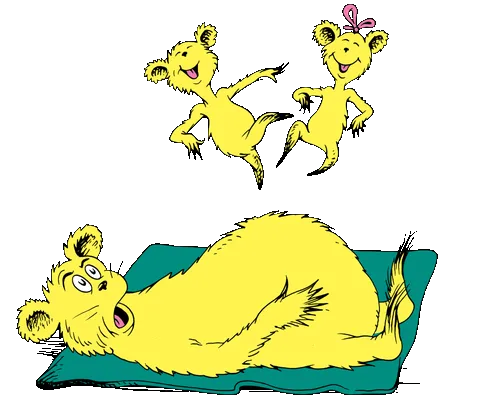
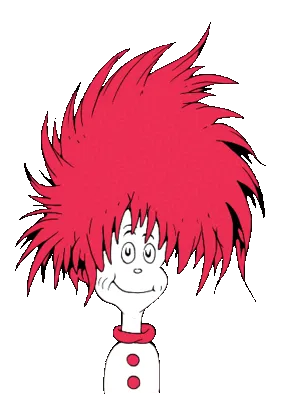
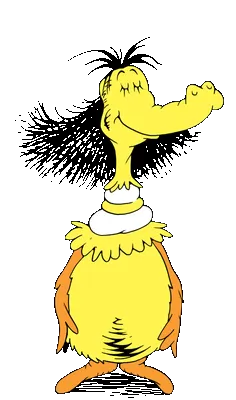
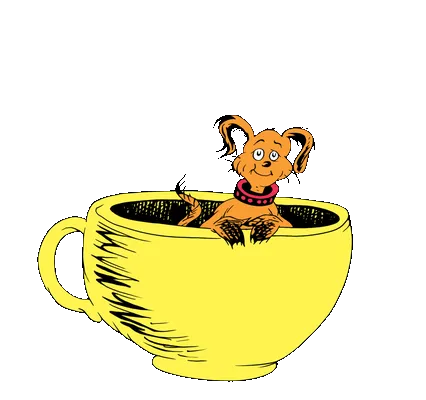
If I Ran the Circus
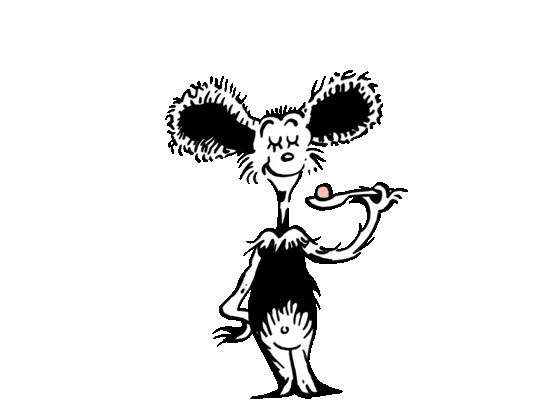
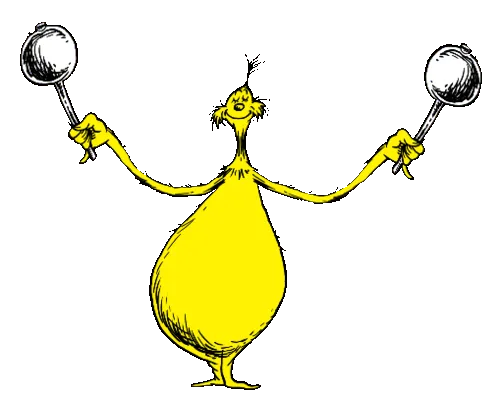
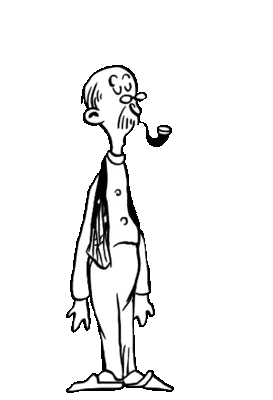
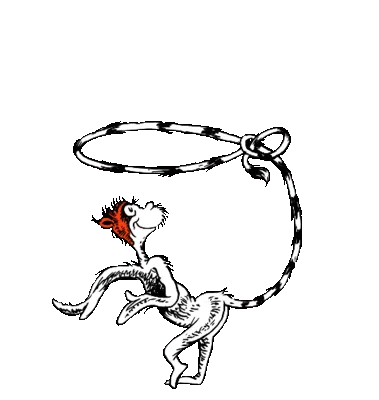
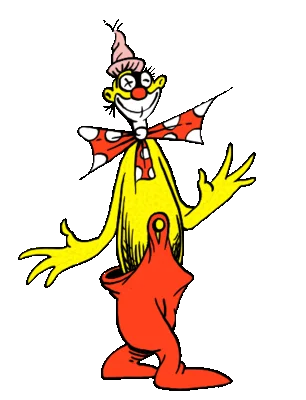
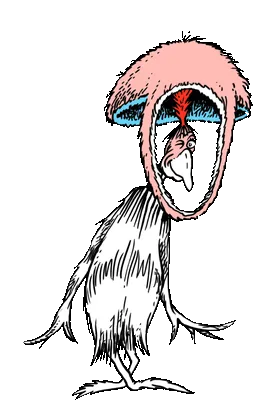
The Horton Books

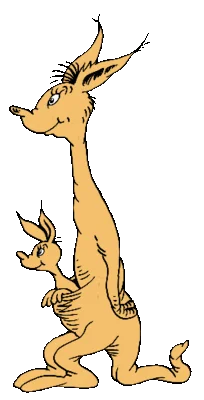
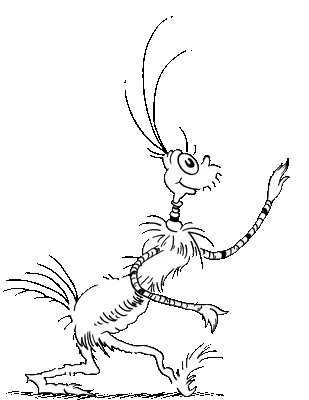
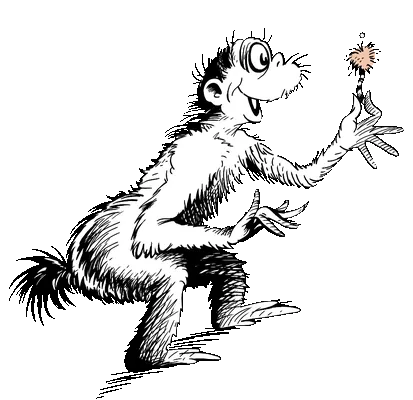
The Sneetches
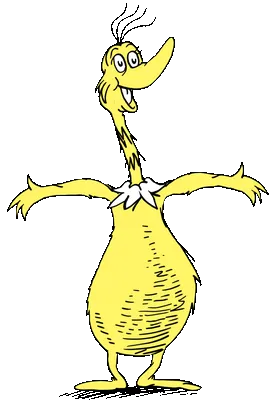
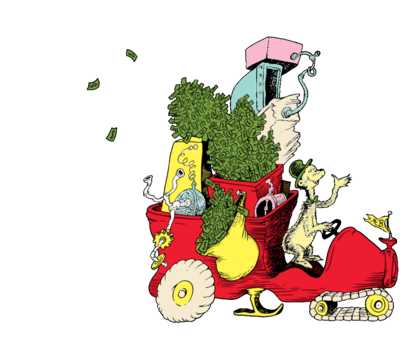
Dr. Seuss's ABC
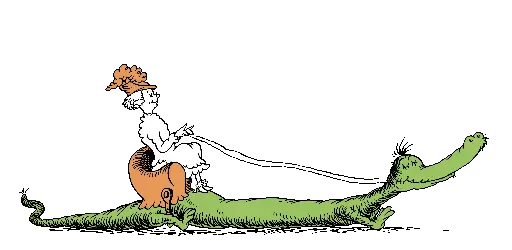
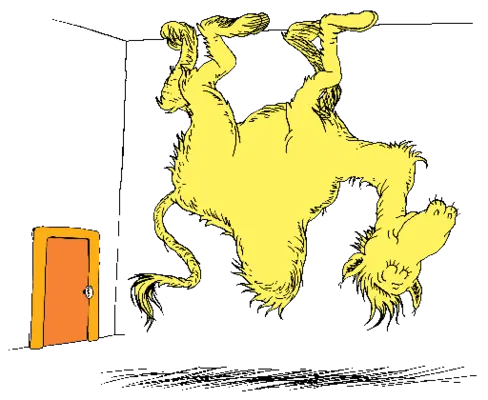
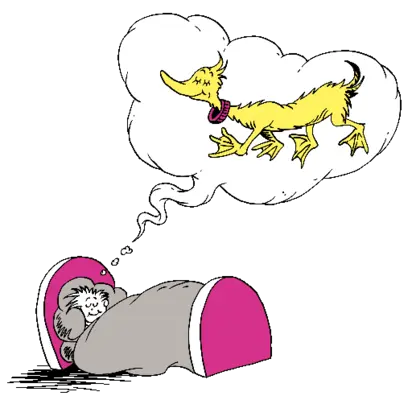
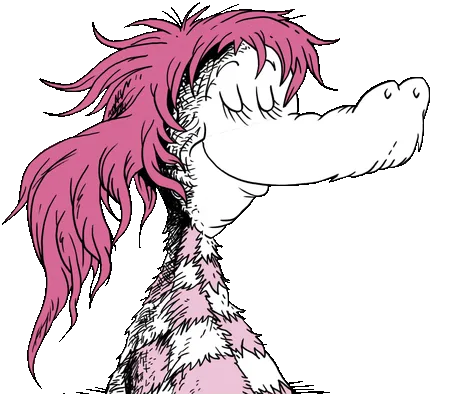
Mr. Brown Can Moo! Can You?
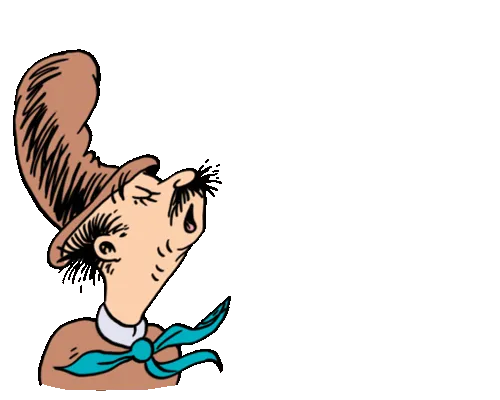
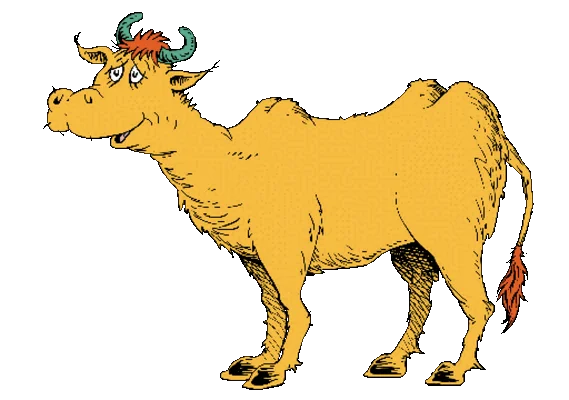
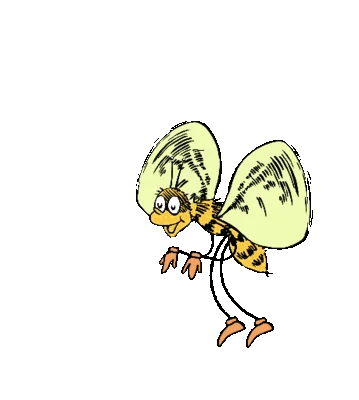
Hunches in Bunches
Oh, the Thinks You Can Think!
Oh, the Places You'll Go!
From page to play.
In Dr. Seuss: Learn & Play, 22 of these books become 100+ learning games and 1000+ activities for ages 2 to 8. Every kid is different, and there is something magical in here for each of them. No ads, no tracking, and a 7-day free trial to see if it clicks.
One price for up to 4 kids, and you can give the gift of Dr. Seuss any day of the year.
Questions parents ask about Dr. Seuss books and characters.
How many books did Dr. Seuss write?
Theodor Seuss Geisel published more than 60 books as Dr. Seuss, selling over 800 million copies in 100+ countries. This guide walks you through 39 of the classics, from The Cat in the Hat to Oh, the Places You'll Go!
Who are the most popular Dr. Seuss characters?
The Cat in the Hat is the best-known Dr. Seuss character. He's been the face of Dr. Seuss books since 1957. Horton the Elephant, the Grinch, and the Lorax round out the inner circle, and all of them star in learning games in the app.
What characters are in The Cat in the Hat?
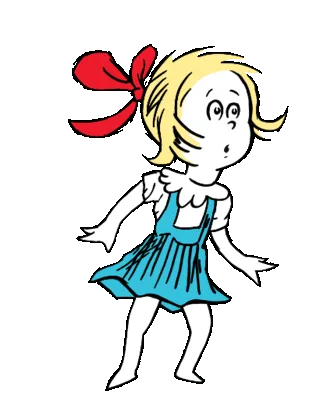
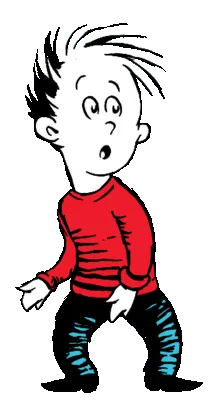
The Cat in the Hat features the Cat himself, the mischievous Thing One and Thing Two, Sally, and her brother, who tells the whole story. You'll find each of them in the character guide above, and in games throughout Dr. Seuss: Learn & Play.
Which Dr. Seuss books are best for toddlers?
Rhyme-and-rhythm books with short sentences work best for the youngest readers. Think Hop on Pop, The Foot Book, and Dr. Seuss's ABC. Dr. Seuss: Learn & Play turns books like these into tap-and-play learning games designed for little hands, ages 2 to 8.
Can my child play with these characters in the app?
Yes. Every character on this page appears in Dr. Seuss: Learn & Play, with 100+ learning games and 1000+ activities built from the books. There's a 7-day free trial, and the cancel button is 3 taps away.
Start your risk-free trial today.
The lessons learned and the laughter earned. The words
and rhymes stuck in your mind. Now interactive like never before.
See it work for your own kid.
7-day free trial. Cancel button, 3 taps away.